
Discreet and confidential delivery

300,000+ trusted patients

No hidden fees

10,000+ 5* reviews


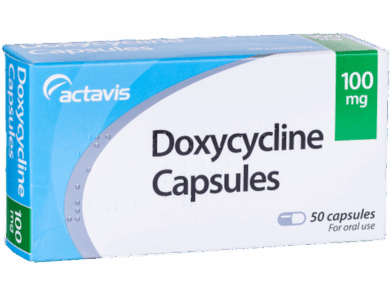


Doxycycline 100mg For Chlamydia x14 Tablets (Full Treatment)
from
£15.99
Doxycycline 100mg For Chlamydia x14 Tablets (Full Treatment)
Buy doxycycline for chlamydia online
You can order doxycycline online to treat chlamydia if you or your partner have had a positive diagnosis for chlamydia. You will need to fill out an online consultation for one of our pharmacists to assess.
If you or your partner have not had a chlamydia diagnosis, you can buy a home chlamydia test kit, which involves providing a urine sample so that it can be analysed in our partner laboratory. Results usually take 1-2 working days to come back after having sent off your sample using the pre-paid envelope provided.
Doxycycline Prices
| Name & Dosage | x14 Capsules (Full Treatment) |
|---|---|
| Doxycycline 100mg Capsules (Full Treatment) |
£15.99 |
Summary for Doxycycline Tablets for Chlamydia
| Medication Class | Tetracycline antibiotic |
|---|---|
| Mechanism of action | Stops bacterial growth |
| Active ingredient | Doxycycline hyclate |
| Strength | 100mg |
| Course length | 7 days |
| Dosage Instructions | One 100mg capsule twice a day for 7 days |
| Manufacturer | Actavis, Teva, Chanel, Sovereign |
| Use with alcohol | Small amounts |
About Doxycycline
Key points
- Taken twice a day for one week
- Greater success rate in treating chlamydia than azithromycin
- Dispatched in discreet packaging
What is doxycycline?
Doxycycline is an antibiotic belonging to the tetracycline class. It is used to treat chlamydia, as well as other infections. It can also be used for the purpose of preventing malaria when travelling.
How does doxycycline work?
Doxycycline interferes with the bacteria’s ability to produce proteins, which are important for its survival. This prevents the bacteria from replicating, until it is no longer active.
How long does doxycycline take to work for chlamydia?
Treatment starts to work relatively quickly, and it takes around 48 hours for doxycycline to start working. However, it can take up to 7 days after having completed treatment, for your body to be free from chlamydia. This is why is it important to not have sex (including oral and anal sex) until you have finished the full 7-day course and your symptoms have gone. Any sexual partners should also be treated, and you should not have sex with them until they have finished their treatment too.
How effective is doxycycline for chlamydia?
Doxycycline is the first-line treatment for chlamydia recommended by BASHH. In clinical trials it cured 100% of urogenital infections, compared with 97% for azithromycin, and it is more effective than azithromycin for rectal infections.
How to take doxycycline?
Take One 100mg capsule twice a day for 7 days. Swallow each capsule whole with a full glass of water while sitting or standing upright. Do not take doxycycline just before going to bed, and stay upright for at least 30 minutes after taking it, as it can irritate the food pipe.
What happens if you miss a dose?
If you forget to take a dose, you should take it as soon as you remember. If you remember when it comes to taking your next dose, do not take two together. It is unlikely that missing one dose will impact the outcome of treatment, but you should inform your doctor or pharmacist.
A test of cure is not usually needed. However, you should retest if you missed doses or did not complete the course, had sex before finishing treatment, or your symptoms continue. Any repeat test should be done at least 3 weeks after finishing treatment. If you are under 25, a repeat chlamydia test between 2 and 6 months after treatment is recommended, as reinfection is common.
When you can have sex again
Do not have sex (including oral and anal sex) until you have finished the full 7-day course and your symptoms have gone. Any sexual partners should also be treated, and you should not have sex with them until they have finished their treatment too.
Doxycycline Alternatives
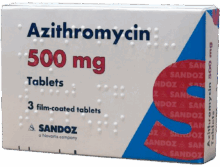
Azithromycin is an alternative for people who cannot take doxycycline. In clinical trials it cured 97% of urogenital infections.
Doxycycline ingredients
Active ingredient: Doxycycline hyclate
Inactive ingredients: Sucrose, maize starch, crospovidone, Basic Butylated, Methacrylate Copolymer (Eudragit E100) and Purified Talc
Whilst the active ingredient will remain the same, the inactive ingredients may differ amongst brands. You should read the patient information leaflet supplied with your medication, for a full list of ingredients.
Doxycycline Dosage Instructions
The dose for treating chlamydia is doxycycline 100mg twice a day for 7 days.
Doxycycline Side Effects
Like all medicines, doxycycline can cause side effects, although not everybody gets them.
Common (may affect up to 1 in 10 people): feeling or being sick (nausea or vomiting), headache, skin sensitivity to sunlight (which can cause sunburn more easily), rash, and allergic reactions such as hives or swelling.
Uncommon (may affect up to 1 in 100 people): vaginal infection, including soreness or itching, and indigestion or heartburn.
Rare, or frequency not known: thrush, changes in blood cell counts, loss of appetite, anxiety, ringing in the ears (tinnitus), flushing, stomach pain, diarrhoea, a sore mouth or tongue, difficulty swallowing, liver problems, muscle or joint pain, nail separation in sunlight, and surface discolouration of the teeth.
Stop taking doxycycline and get urgent medical help if you have:
- signs of a severe allergic reaction, such as swelling of the face, lips, tongue or throat, sudden wheeziness, difficulty breathing, chest pain or a fast heartbeat
- a severe headache, especially with blurred or double vision, loss of vision or vomiting, which can be a sign of raised pressure in the skull
- pain or difficulty swallowing, or pain behind the breastbone
- severe or prolonged diarrhoea, especially if it contains blood or mucus
- yellowing of the skin or eyes, dark urine or severe tiredness
- severe stomach pain spreading to your back
- a severe skin rash with blistering, peeling or sores, or a widespread rash with fever and swollen glands
Tell your doctor or pharmacist if you notice ringing in your ears.
For the full list of side effects, see the patient information leaflet supplied with your medicine. You can report side effects through the MHRA Yellow Card Scheme at www.mhra.gov.uk/yellowcard or via the Yellow Card app.
Doxycycline Warnings
Do not take doxycycline if you are allergic to doxycycline or any other tetracycline antibiotic, or if you are pregnant.
Tell our prescriber before taking doxycycline if you have:
- liver problems
- myasthenia gravis
- systemic lupus erythematosus (SLE)
- porphyria
- a history of severe diarrhoea or bowel problems after taking antibiotics
- or if you expect strong sun or UV exposure during treatment
Doxycycline Interactions
You should discuss the use of doxycycline with your doctor if you are taking any of the following medication:
- Anticoagulants such as warfarin that are used to thin blood
- Antiepileptics
- Certain prescription only medication used to help you sleep, such as those belonging to the barbiturate class
- Certain drugs used in the treatment of migraine, such as ergotamine or methysergide
- Some antibiotics used to treat tuberculosis, such as Rifampicin
- Antibiotics that contain penicillin such as amoxicillin
- Some high blood pressure medication, such as quinapril
- Certain medication used to treat stomach ulcers, such as sucralfate
- Medication used after a transplant, such as ciclosporin
- Methotrexate
- Retinoids such as isotretinoin used in the treatment of acne
-
Indigestion remedies (antacids) and supplements containing iron, zinc, calcium, magnesium or aluminium can stop doxycycline being absorbed properly. Take doxycycline at least 2 hours before or after these products.
Doxycycline and Pregnancy/Breastfeeding
Doxycycline is not suitable if you are pregnant, as it can slow down bone growth and stain the teeth of the developing foetus.
Doxycycline is present in breastmilk and should be avoided when breastfeeding.
Frequently Asked Questions
Nausea and vomiting are common side effects of doxycycline. If you vomit after taking doxycycline, you should carry on with the prescribed course. Although doxycycline can make you sick, partial absorption or missing one dose is unlikely to have an effect on the success of treatment. Try taking doxycycline after a meal to reduce feelings of nausea. If you throw up more than once, you should contact your doctor as you may need to try a different treatment.
Food does not affect the absorption of doxycycline and you can choose to take doxycycline on an empty stomach or after food. One of the possible side-effects of taking doxycycline is that it may make you feel slightly nauseas. If this is the case, you may find it helpful to take doxycycline after a meal.
Moderate alcohol consumption will not necessarily have an impact on the effectiveness of doxycycline, but it can make you feel slightly sick and dehydrated. You should avoid drinking large amounts of alcohol or avoid alcohol consumption altogether for the duration of your treatment if possible. Large amounts of alcohol consumption can reduce the effectiveness of doxycycline in treating chlamydia.
It can take 1-2 weeks for chlamydia symptoms to ease off. If your symptoms have not improved after 2 weeks, you should speak to your doctor.
You should visit your GP in the following circumstances:
- You are experiencing an allergic reaction to doxycycline, such as skin irritation or diarrhoea
- You have missed multiple doses
- Your symptoms are persisting after the treatment course
- You have had sexual contact with someone during treatment or within the 7-day period after having completed treatment
- There is a possibility you may be pregnant
- You are experiencing any unusual side-effects such as difficulty breathing, fever, swollen glands.
A test of cure is not usually needed. However, you should retest if you missed doses or did not complete the course, had sex before finishing treatment, or your symptoms continue. Any repeat test should be done at least 3 weeks after finishing treatment. If you are under 25, a repeat chlamydia test between 2 and 6 months after treatment is recommended, as reinfection is common.
Chlamydia is the most common sexually transmitted infection and can cause many long-term complications such as infertility and reactive arthritis. You should let your sexual partners know if you have had a positive diagnosis, so that they can receive treatment and avoid re-infecting you or others.
You should wait at least seven days after completing a full course of doxycycline treatment for chlamydia before engaging in unprotected sex. This allows the medication to effectively treat the infection and reduces the risk of transmitting it to sexual partners.
You should let your GP know if you are scheduled to receive a typhoid vaccination whilst on treatment, or within 72 hours after having completed treatment. This is because doxycycline can reduce the effectiveness of typhoid vaccinations.
Each patient must fill out a questionnaire individually as it assesses the suitability of doxycycline based on their medical status. The online consultation is intended to ensure that our service is safe for all those that we prescribe treatment for. Everyone must complete an individual consultation using their own account. Multiple orders under the same account will be rejected.
Your medical records are stored on a secure server which is not shared with anyone. Your order will be dispatched in a plain envelope that has no reference to what is inside.
Written and clinically reviewed by our pharmacists


Doxycycline 100mg For Chlamydia Reviews
Product rated 4.7/5


Brilliant, would definitely recommend 👌! No issues at all.
By Daniel Vidal (via Reviews.io)
it works for me
By Customer
Fantastic fast easy service Many thanks
By Paul
Worked for me gave me peace of mind
By Mr FirthCustomer reviews reflect individual experiences and are not medical advice.


Other options include:
Our Awards & Certifications
Our team of experienced pharmacists and healthcare professionals are dedicated to providing the highest level of care and service to every customer, ensuring that they receive the best possible healthcare experience.

Our Clients Say:
An excellent organisation. Our malaria tablets were easy to order, came with clear instructions and fast delivery. A good price too. We will definitely use this company again for medication.
By Jenny T.
Quick and easy process, good communication. I received a call from them just to check my regular medication.
By Linda H.
A very prompt, professional and discreet service which assists with daily living. Loyalty is rewarded when re-ordering and orders arrive on time.
By Anthony J.
So easy to browse, choose and order what you want. Great prices and fast delivery. Excellent company to deal with.
By Graeme H.
To be fair, I've checked out other pharmacy sites and done the comparisons on price. I'm very happy to purchase from Chemist Click. Delivery great too, even the cheapest option.
By Stephen L.
Always use Chemist Click, their service is second to none, very quick delivery on my purchases and never let me down, highly recommended.
By Ian H.
I am very happy with the speedy delivery, the professionalism and the value for money.
By Roy K.
Chemist Click is extremely easy to use and also user friendly. You get what you need without any hassle or hesitation. Delivery is very quick and delivered as stated. This is a great service for anyone of all ages and abilities.
By Mark P.Related articles...


