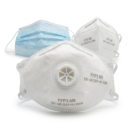
When choosing a protective face mask, two of the most common options are FFP2 face masks and FFP3 face masks. Both are designed to filter airborne particles, but they do not offer the same level of protection.

The main difference is simple: FFP3 masks offer a higher level of protection than FFP2 masks. However, the right choice depends on where you are using the mask, what you are trying to protect yourself from, and how well the mask fits your face.

In some parts of the world, FFP2 masks are known as N95 masks and FFP3 masks are known as N99. They meet similar requirements but are tested to different standards. FFP2 and FFP3 masks are tested under European standards whilst N95 and N99 masks are tested to US standards.

What does FFP mean?

FFP stands for Filtering Face Piece. These masks are respirators designed to filter particles from the air you breathe in.

FFP masks are commonly used for protection against:

  • Dust
  • Fine particles
  • Aerosols
  • Pollen
  • Mould spores
  • Airborne droplets
  • Some workplace hazards
  • Certain infectious particles when used correctly

FFP masks are tested under European standard EN 149, which classifies them into different protection levels, including FFP1, FFP2 and FFP3. Under EN 149, FFP2 masks must filter at least 94% of airborne particles, while FFP3 masks must filter at least 99%.

Protective Equipment

Stay protected with our range of certified masks

Shop Now
Rated Excellent
Trustpilot Icon

FFP2 vs FFP3: quick comparison

Feature FFP2 face mask FFP3 face mask
Minimum filtration efficiency 94% 99%
Protection level High Very high
Assigned protection factor 10 20
Best for General higher-level protection Higher-risk environments
Common uses Dust, aerosols, public-facing work, general infection control Fine particles, hazardous dust, healthcare, higher-risk exposure
Fit matters? Yes Yes, especially important
Better protection? Good Highest FFP protection level

The Health and Safety Executive explains that FFP2 and FFP3 respirators can reduce the amount of dust breathed in by factors of 10 and 20 respectively, when correctly selected and worn.

What is an FFP2 mask?

An FFP2 mask is a high-filtration respirator that filters at least 94% of airborne particles. It offers a strong level of protection and is often used where there is exposure to dust, aerosols or airborne particles.

FFP2 masks are suitable for:

  • General respiratory protection
  • Dusty environments
  • DIY and construction tasks
  • Public-facing work
  • Travel
  • Busy indoor spaces
  • Protection against airborne particles and droplets

For many everyday and workplace uses, an FFP2 mask offers a good balance between protection, comfort and breathability.

What is an FFP3 mask?

An FFP3 mask is the highest protection class of disposable FFP respirator. It filters at least 99% of airborne particles and provides a higher level of protection than FFP2.

FFP3 masks are commonly used in higher-risk settings where the wearer may be exposed to fine particles, hazardous dust, mould spores, aerosols or infectious particles.

FFP3 masks are suitable for:

  • Higher-risk respiratory protection
  • Healthcare settings
  • Exposure to fine dust
  • Mould removal
  • Construction and renovation work
  • Higher-risk workplace environments
  • Situations where maximum disposable mask protection is required

If you want the highest level of protection from a disposable FFP mask, FFP3 is the stronger option.

Is FFP3 better than FFP2?

Yes, FFP3 masks provide better filtration than FFP2 masks.

An FFP2 mask filters at least 94% of airborne particles, while an FFP3 mask filters at least 99%. FFP3 masks also have a higher assigned protection factor, meaning they are expected to reduce exposure more than FFP2 masks when worn correctly.

However, better filtration does not automatically mean better real-world protection if the mask does not fit properly. A poorly fitted FFP3 mask may perform worse than a well-fitted FFP2 mask.

Fit is just as important as filtration

For FFP2 and FFP3 masks to work properly, they need to seal closely around the face. Air should pass through the filter material, not leak around the edges.

FFP2 vs FFP3 for viruses

A poor fit can reduce protection because unfiltered air can enter through gaps around the nose, cheeks or chin.

For workplace use, tight-fitting respirators usually require fit testing to make sure the mask is suitable for the wearer. The Royal College of Nursing also notes that respiratory protective equipment should be correctly fitted, and that tight-fitting facepieces should include a fit test during selection.

A good fit means:

  • The mask sits securely over the nose and mouth
  • There are no obvious gaps around the edges
  • The nose clip is moulded properly
  • The straps hold the mask firmly in place
  • The mask does not slip when speaking or moving
  • Facial hair does not break the seal

FFP2 and FFP3 masks can help reduce exposure to airborne particles and droplets, including particles that may carry viruses (such as COVID and Hantavirus). However, no mask can guarantee complete protection.

FFP3 masks generally offer a higher level of protection than FFP2 masks because they have greater filtration efficiency and a higher assigned protection factor.

For higher-risk healthcare or occupational settings, FFP3 respirators are often preferred because they provide the highest level of disposable FFP protection. For lower-risk day-to-day use, FFP2 masks may be sufficient and more comfortable for longer wear.

FFP2 vs FFP3 for dust and mould

Both FFP2 and FFP3 masks can help protect against dust and airborne particles.

For general dust exposure, an FFP2 mask may be suitable. For heavier dust, mould spores or higher-risk particles, FFP3 may be the better option. The HSE specifically notes that FFP3 respirators are advisable where there is exposure to high levels of grain dust or mould spores.

FFP2 vs FFP3 for construction and DIY

For light DIY, sanding or general dust protection, an FFP2 mask may be appropriate.

For higher-risk construction tasks, fine dust, insulation, mould, demolition or unknown airborne particles, an FFP3 mask is usually the more protective choice.

You should always check the specific hazard and follow workplace health and safety guidance where applicable.

Valved vs non-valved FFP2 and FFP3 masks

FFP2 and FFP3 masks may be available as valved or non-valved masks.

Valved masks

Valved masks make it easier to breathe out. They can feel more comfortable, especially when worn for longer periods. However, they may not filter exhaled air in the same way, depending on the design.

Non-valved masks

Non-valved masks filter air as you breathe in and out. These are often preferred where source control is important, such as reducing the spread of respiratory droplets to others.

For infection-control settings, non-valved masks are often more appropriate.

Which mask should you choose?

Choose FFP2 masks if you want strong everyday respiratory protection with good breathability.

Choose FFP3 masks if you want the highest level of disposable FFP protection, especially for higher-risk environments, fine particles, mould spores or workplace exposure.

Bottom line

The difference between FFP2 and FFP3 masks comes down to protection level.

FFP2 masks filter at least 94% of airborne particles. FFP3 masks filter at least 99%. This makes FFP3 the more protective option, but fit is critical. A mask only works properly when it seals closely to the face and is worn correctly.

For general protection, FFP2 masks may be suitable. For higher-risk exposure, FFP3 masks offer the stronger level of protection.

Frequently Asked Questions

Yes. FFP3 masks offer a higher level of filtration than FFP2 masks. FFP2 masks filter at least 94% of airborne particles, while FFP3 masks filter at least 99%.

For many everyday and lower-risk workplace situations, FFP2 masks may offer suitable protection. However, for higher-risk exposure, FFP3 masks provide a greater level of protection.

They can help reduce exposure to airborne particles and droplets, including particles that may carry viruses. However, no face mask can provide complete protection, and fit is essential.

Among disposable FFP masks, FFP3 offers the highest level of protection.

For workplace use, tight-fitting respiratory protective equipment should usually be fit tested to make sure it seals properly to the wearer’s face.

They can be. FFP3 masks have higher filtration, which may make them feel slightly more restrictive than FFP2 masks. Valved options may feel easier to breathe through, but they may not be suitable for every setting.

N95 and FFP2 masks are very similar, but they are tested under different standards. N95 masks are tested under the US NIOSH standard, while FFP2 masks are tested under the European EN 149 standard.

An N95 mask filters at least 95% of airborne particles, while an FFP2 mask filters at least 94%. In practical terms, they offer a very similar level of protection when properly fitted.

N99 and FFP3 masks are also similar high-protection respirators, but they are tested under different standards. N99 masks are tested under the US NIOSH standard, while FFP3 masks are tested under the European EN 149 standard.

An N99 mask filters at least 99% of airborne particles, and an FFP3 mask also filters at least 99%. However, FFP3 masks are the highest protection class under the European FFP system and usually have stricter total inward leakage requirements, which means fit and seal are especially important.

Whilst all of our content is written and reviewed by healthcare professionals, it is not intended to be substituted for or used as medical advice. If you have any questions or concerns about your health, please speak to your doctor.

Share