1 Products Found
Mens Health

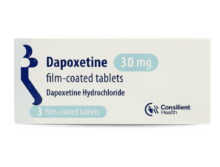
Dapoxetine Tablets

0 reviews

from

£20.99

What is premature ejaculation?

Premature ejaculation is a condition where ejaculation happens sooner than you or your partner would like, either shortly after penetration or during other sexual stimulation, with little or no control over when it occurs.

Healthcare professionals generally diagnose premature ejaculation when it:

  • Happens consistently or most of the time
  • Occurs within around two minutes of penetration (lifelong PE) or much sooner than previously (acquired PE)
  • Causes frustration, anxiety or relationship difficulties
  • Results in a lack of control over ejaculation

There are two main types:

Lifelong premature ejaculation

This type has been present since a man’s first sexual experiences and is thought to be linked to the way the brain and body naturally work.

Acquired premature ejaculation

This develops later in life after previously normal ejaculation. It is often linked to stress, anxiety, erectile dysfunction or underlying medical conditions.

Occasional early ejaculation is common and usually isn’t a cause for concern. Treatment is generally recommended when the problem becomes persistent and starts affecting quality of life.

What causes premature ejaculation?

There isn’t one single cause of premature ejaculation. In many cases, it results from a combination of psychological and physical factors.

Psychological causes

Psychological factors are particularly common in acquired premature ejaculation and may include:

  • Performance anxiety
  • Relationship problems
  • Stress
  • Depression
  • Low self-esteem
  • Previous negative sexual experiences
  • Anxiety often creates a cycle where worrying about ejaculating too quickly makes it more likely to happen again.

Physical causes

Some men develop premature ejaculation due to underlying physical factors, including:

  • Erectile dysfunction
  • Hormonal imbalances
  • Prostate inflammation (prostatitis)
  • Thyroid disorders
  • Increased penile sensitivity
  • Differences in serotonin signalling within the brain

Treating any underlying medical condition can often improve symptoms.

Best treatment for premature ejaculation

The most effective treatment depends on the underlying cause, how long you’ve experienced symptoms and whether you also have erectile dysfunction. 

Treatment Best for Effectiveness
Prescription tablets (Priligy®/dapoxetine) Moderate to severe PE ★★★★★ Strong clinical evidence
Behavioural techniques (Stop-Start, Squeeze Method) Mild PE ★★★★☆
Pelvic floor exercises Improving ejaculatory control ★★★☆☆
Psychological therapy Anxiety-related PE ★★★★☆
Treating erectile dysfunction Men with both ED and PE ★★★★★ when appropriate
Lifestyle changes Supporting overall sexual health ★★☆☆☆ alone

For most men with persistent premature ejaculation, prescription medication offers the quickest and most reliable improvement, particularly when combined with behavioural techniques.

How to stop premature ejaculation

The best way to stop premature ejaculation depends on its cause, but several treatments have been shown to improve ejaculatory control.

Premature ejaculation tablets

Prescription tablets are considered the first-line treatment for many men with persistent premature ejaculation.

The most commonly prescribed medication is:

  • Dapoxetine
  • Priligy®

Dapoxetine is the generic version of Priligy®, meaning it contains the same active ingredient and works in exactly the same way, but is typically available at a lower cost.

Clinical studies show that Dapoxetine can:

  • Increase the time before ejaculation by around 2 to 4 times, depending on the individual
  • Improve perceived control over ejaculation
  • Reduce distress and performance anxiety
  • Increase sexual satisfaction for both partners

It is suitable for men aged 18 to 64 who have been diagnosed with premature ejaculation.

Like all medicines, it isn’t suitable for everyone. Our clinical team will need to assess whether it is appropriate based on your medical history and any other medications you take.

Behavioural techniques

Behavioural exercises can help some men gradually gain better control.

These include:

  • The Stop-Start technique
  • The Squeeze technique
  • Practising controlled arousal during masturbation

These methods often work best when practised consistently over several weeks.

Pelvic floor exercises

Strengthening the pelvic floor muscles may improve control over ejaculation.

Regular pelvic floor training can be particularly beneficial when combined with other treatments.

Reduce performance anxiety

Because anxiety is one of the most common triggers for premature ejaculation, addressing psychological factors can make a significant difference.

Helpful approaches include:

  • Stress management
  • Mindfulness
  • Relationship counselling
  • Cognitive behavioural therapy (CBT)

Treat underlying health conditions

If premature ejaculation develops suddenly, it’s important to rule out underlying causes such as:

  • Erectile dysfunction
  • Prostate problems
  • Thyroid disorders
  • Medication side effects

Treating the underlying condition often improves ejaculation naturally.

When should you seek treatment?

You should consider seeking treatment if:

  • Premature ejaculation happens during most sexual encounters.
  • You feel unable to control when you ejaculate.
  • It is affecting your confidence, relationships or mental wellbeing.
  • The problem has developed suddenly after previously normal sexual function.
  • You also experience erectile dysfunction or pelvic pain.

Early assessment can help identify the underlying cause and ensure you receive the most appropriate treatment.

Frequently Asked Questions

For men with persistent premature ejaculation, prescription tablets containing dapoxetine are generally considered the most effective treatment, particularly when combined with behavioural techniques and lifestyle changes.

Some men experience long-term improvement once underlying psychological or medical causes are treated. Others may benefit from ongoing treatment to maintain better ejaculatory control.

Yes. Clinical trials have consistently shown that dapoxetine significantly increases the time before ejaculation while improving control and sexual satisfaction.

Yes. In the UK, prescription treatments such as dapoxetine can be obtained through regulated online pharmacies such as Chemist Click, following a clinical assessment by an independent prescriber. 

Sexually transmitted infections (STIs) don’t usually cause premature ejaculation directly. However, some infections can cause pain, inflammation or anxiety during sex, which may contribute to ejaculation happening sooner than expected. If your symptoms started suddenly or you have unusual discharge, pain or sores, it’s important to get tested.

Viagra® is used to treat erectile dysfunction, not premature ejaculation. It won’t directly delay ejaculation, but it may help some men who have both erectile dysfunction and premature ejaculation by improving confidence and reducing performance anxiety. If premature ejaculation is your main concern, treatments such as dapoxetine are generally more appropriate.

No, there is no evidence that masturbation causes premature ejaculation. In fact, some behavioural techniques that involve masturbation, such as the stop-start method, may help improve ejaculatory control over time.

Exercise is unlikely to cure premature ejaculation on its own, but regular physical activity can reduce stress, improve mood and support overall sexual health. Pelvic floor exercises may also help some men gain better control over ejaculation when practised consistently.

Yes. Premature ejaculation can often be successfully managed with prescription medication, behavioural techniques, pelvic floor exercises or psychological support, depending on the underlying cause. A healthcare professional can help recommend the most appropriate treatment.

There is no exact time that applies to everyone, but lifelong premature ejaculation is typically defined as ejaculating within about one minute of penetration. More importantly, it becomes a medical concern when it happens consistently, you have little control over it, and it causes distress for you or your partner.

In many cases, yes. If premature ejaculation is caused by factors such as anxiety, stress or an underlying medical condition, treating the cause can lead to long-term improvement. Even when it isn’t permanently cured, effective treatments can help most men achieve better control and enjoy a more satisfying sex life.

image

Our Clients Say: