
Discreet and confidential delivery

300,000+ trusted patients

No hidden fees

10,000+ 5* reviews





Mounjaro Buy Mounjaro Online UK
from
£163.99
Lose up to 22% of your body weight
Fast and discreet delivery
Over 10,000 5* reviews Mounjaro Buy Mounjaro Online UK
Buy Mounjaro Online
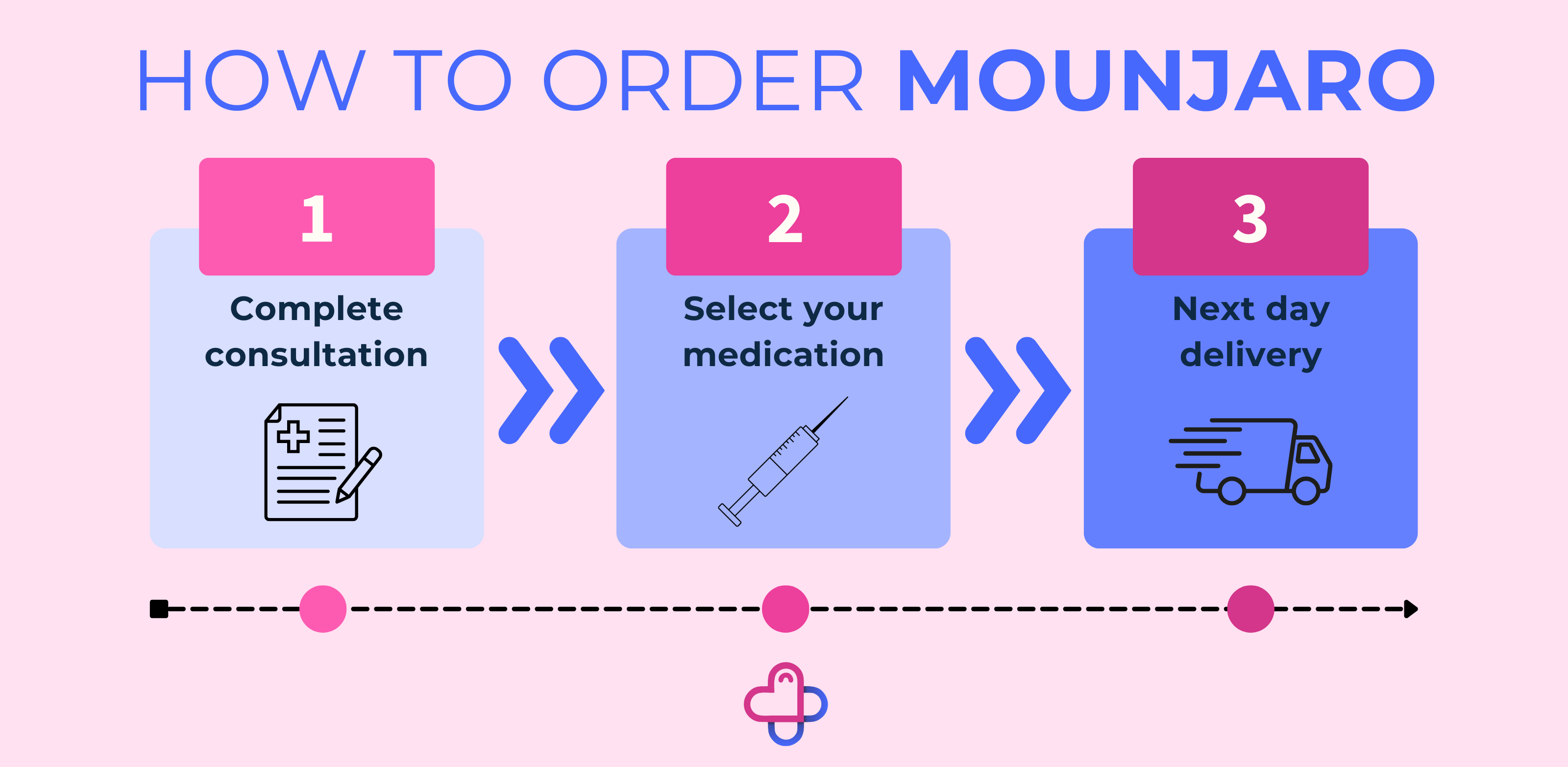
You can buy Mounjaro online from Chemist Click, a UK registered pharmacy. Our prices are some of the cheapest in the UK.
Our online service includes a short medical questionnaire reviewed by a qualified prescriber to ensure treatment is safe for you.
Once approved, your order is dispatched to your address in discreet packaging.
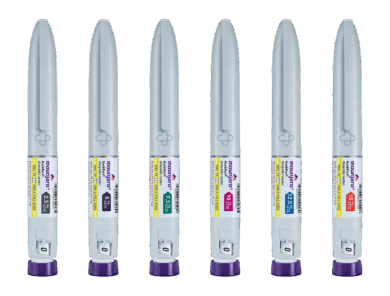
Mounjaro Prices
| Dosage | 2.5mg Pen | 5mg Pen | 7.5mg Pen | 10mg Pen | 12.5mg Pen | 15mg Pen |
|---|---|---|---|---|---|---|
| Price | £163.99 £143.99 | £173.99 £153.99 | £232.99 £212.99 | £259.99 £239.99 | £279.99 £259.99 | £299.49 £279.49 |
Making use of discount code WEIGHT20
About Mounjaro
Mounjaro weight loss results
Our Mounjaro weight loss calculator can give you an idea of how much weight you can lose on Mounjaro, and how much it will cost you over the course of the year.
Set your starting weight to compare estimated 12-month weight loss, total cost, weekly cost, and end weight for Mounjaro injections. Figures shown are based on example calculations and are for guidance only!
≈ 0.4lb
Assumes 22.5% loss
Estimated weight loss in 12 months
Estimated weight after 12 months
Estimated cost
How we estimate these numbers!
What is Mounjaro?
Mounjaro is a prescription medicine used for weight loss and to help manage diabetes. It contains tirzepatide, which works like the natural hormones in your body to help you feel fuller for longer, slow digestion, and keep your blood sugar levels steady.
How does Mounjaro work?
Mounjaro works by copying the effects of GLP-1 and GIP, two natural hormones released by your gut after eating.
This helps to:
- Make you feel full for longer
- Slow down your digestion
- Keep your blood sugar levels more stable
This dual-action mechanism makes it more effective than treatments targeting GLP-1 alone.
How effective is Mounjaro?
Mounjaro has been carefully studied in several large clinical trials, known as the SURMOUNT studies.
Users lost up to 22.5% of their body weight, making it one of the most effective treatments available for long-term weight management.
Clinical studies and results
| Length of time & number of people | Weight loss on average | Common side effects | Key findings |
|---|---|---|---|
| 72 weeks, 2,539 people |
22.5% | Nausea, diarrhoea, constipation | Up to 57% lost at least 20% of body weight. |
| 72 weeks, 938 people |
14.7% | Nausea, diarrhoea, vomiting | Good results in type 2 diabetic patients. |
| 72 weeks, 806 people |
21.1% | Nausea, diarrhoea, constipation | Shown to be effective even after lifestyle changes. |
| 36 weeks + 52 weeks, 700 people |
21% | Nausea, diarrhoea, vomiting | Patients who continued Mounjaro maintained weight loss, while those who stopped regained much of it. |
How long does Mounjaro take to work?
Mounjaro starts working in your body soon after the first dose, helping to regulate blood sugar levels and reduce appetite.
However, weight loss results are usually noticeable after 4-8 weeks of consistent use, once your body has adjusted to the medication.
Everyone responds differently, but most clinical studies show significant weight loss within 3 to 6 months, especially as the dose is gradually increased to the maintenance level.
Is Mounjaro safe?
Yes, Mounjaro is considered a safe and effective weight loss treatment, when prescribed appropriately and taken as directed.
It is MHRA-approved in the UK and should be used under the supervision of licensed healthcare professionals.
However, it may not be suitable for everyone, especially people with a history of pancreatitis, thyroid cancer or severe digestive issues. That’s why it’s important to complete an online consultation to ensure it’s the right treatment for you.
How to inject Mounjaro

- Wash your hands thoroughly with soap and water.
- Find a clean, well-lit area to prepare your injection.
- Check the pen label to make sure it’s the correct dose and not expired.
- Look through the pen window; the liquid should be clear and colourless (not cloudy or with particles).

- Mounjaro can be injected into your stomach (abdomen), thigh, or upper arm (if someone else is giving the injection).
- Rotate your injection site each week to reduce irritation – avoid injecting into the same spot repeatedly.
- Never inject into areas that are red, bruised, scarred, or tender.
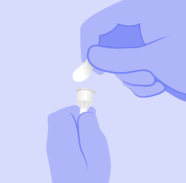
- Remove the pen cap from Mounjaro.
- Wipe the red seal inside of the pen with a swab.
- Take a needle and pull off the paper tab (do NOT remove the needle shield).
- Attach the needle shield by pushing it into the pen and twisting it until it is tight.
- Pull the needle shield but do not dispose of it. You will need it to cover the needle once your dose has been injected.
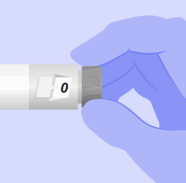
- Turn the dose knob until you hear two clicks and the longest line is displayed in the window.
- Position your pen with the needle pointing upwards and tap it gently to release air bubbles to the top of the device.
- Press the injection button with the pen pointing up to release a small stream of medicine. Hold this position for 5 seconds. This removes air bubbles and ensures the pen is working.
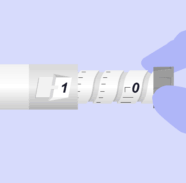
- Turn the dose knob all the way round.
- Make sure the number 1 is shown, before injecting.
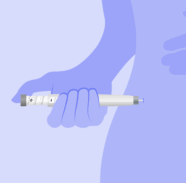
- Hold the pen at a 90° angle to your skin.
- Press and hold the injection button until you hear a click, then count slowly to 5
- Check the dose window, it should read ‘0’, confirming the full dose was delivered.
- Pull the needle out of your skin.
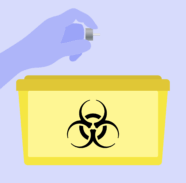
- Put the needle shield over the needle to avoid injury.
- Remove the needle by unscrewing it and replace the pen cap.
- Place the used needle in a sharps bin, never throw it in household waste.
- Do not leave the needle on the injection, or your pen may leak.
- Always replace the Mounjaro pen cap.

- You can gently press a cotton pad over the site if needed, do not rub the site of injection.
- Store your pen correctly (usually in the fridge before use, or as instructed).
- Try to inject on the same day each week, at any time of day, with or without food.
Side effects
Like all prescription medicines, Mounjaro (tirzepatide) can cause side effects. Most are mild and temporary, especially when your body is adjusting to treatment.
Serious reactions are rare, but it’s important to know what to expect and when to seek help.
Common Mounjaro side effects
These affect more than 1 in 10 people and usually improve as your body gets used to the medicine:
- Nausea or feeling sick – often mild and settles after a few weeks.
- Diarrhoea or loose stools.
- Constipation.
- Vomiting.
- Loss of appetite or reduced food cravings.
- Indigestion, bloating, or stomach discomfort.
Tip: Eating smaller meals, staying hydrated, and avoiding rich or fatty foods can help manage these symptoms.
Uncommon side effects
These affect up to 1 in 100 people:
- Heartburn or burping (“sulphur burps”).
- Tiredness or fatigue.
- Headache or dizziness.
- Injection site reactions, such as redness or mild swelling.
- Mild increases in heart rate.
Serious side effects (rare)
Stop using Mounjaro and seek urgent medical attention if you experience:
- Severe abdominal pain that doesn’t go away – this could be a sign of pancreatitis.
- Severe nausea or vomiting that prevents you from keeping fluids down.
- Signs of an allergic reaction such as swelling of the face, lips, tongue, or throat; rash; or difficulty breathing.
- Sudden changes in vision.
- Severe, persistent diarrhoea or dehydration.
Why side effects happen
Mounjaro works by mimicking natural hormones that slow digestion and regulate blood sugar and appetite. As your stomach empties more slowly, it can cause feelings of fullness, nausea, or digestive changes. These usually improve as your body adjusts
How long do side effects last?
Most Mounjaro side effects are temporary and improve as your body adjusts to treatment. Everyone reacts differently, but most people find that digestive symptoms ease within the first few weeks of starting or increasing their dose.
| Side effect | How long it usually lasts | Advice |
|---|---|---|
| Nausea or upset stomach | Usually improves within 2-4 weeks | Eat smaller meals, avoid rich or greasy foods, and stay hydrated. |
| Vomiting or diarrhoea | Often settles within 1-3 weeks | Replace fluids and electrolytes. If severe or persistent, contact your prescriber. |
| Constipation | May last a few days to a few weeks | Increase fibre and water intake; light activity helps. |
| Headache or fatigue | Usually short-term (a few days) | Rest, stay hydrated, and ensure regular meals. |
| Injection site irritation | Clears within a few hours to a couple of days | Avoid injecting into the same area each week. |
Mounjaro Dosage Instructions
Mounjaro starts with a low dose and increases slowly over time.
This is a gradual increase by 2.5mg increments, every four weeks, based on how your body responds and your tolerance, up to a maximum dose of 15mg.
Mounjaro dosage chart
| Weeks | Dose | Frequency | In practical terms |
|---|---|---|---|
| 1–4 | 2.5mg | Once Weekly | Starting dose, which helps your body adjust to Mounjaro. |
| 5–8 | 5mg | Once Weekly | First increment, gradually increasing tolerance. |
| 9–12 | 7.5mg | Once Weekly | Continue increasing dose to boost effectiveness. |
| 13–16 | 10mg | Once Weekly | Steady weight loss is noticeable for many. |
| 17–20 | 12.5mg | Once Weekly | Higher dose if greater effect is needed. |
| 21 onwards | 15mg | Once Weekly | Max maintenance dose, only if required and advised by prescriber. |
When to increase your dose of Mounjaro
Dose increases usually happen monthly. This helps your body get used to the medicine and reduces side effects such as nausea and vomiting.
Your doctor or pharmacist may recommend a higher dose if:
- You’ve tolerated your current dose for at least 4 weeks
- You haven’t reached your target weight or glucose control
- You’re not feeling appetite suppression at your current dose
Your dose is increased until you reach the maintenance dose, that gives you the best results, and the least side effects.
The goal is to find a balance between results and comfort – not everyone needs the maximum 15 mg dose.
Mounjaro Warnings
Mounjaro is not suitable for everyone. You should speak to your doctor if you:
- Have severe problems with food digestion or food remaining in your stomach for longer than normal, including severe gastroparesis.
- Have ever had pancreatitis
- Have a problem with your eyes – diabetic retinopathy or macular oedema
- Are using sulphonylurea or insulin for your diabetes
A full medical review is required before treatment, which is why we recommend starting with our online consultation to check your eligibility.
Mounjaro Interactions
Mounjaro can interact with certain medications or medical conditions, so it’s important to review your full list with your doctor or pharmacist. Key interactions include:
- Insulin or other diabetes medications – can increase risk of low blood sugar (hypoglycemia)
- Oral medications absorbed in the stomach – can affect absorption of drugs like birth control or antibiotics.
- Other weight loss medications – can increase the risk of gastrointestinal side effects.
Mounjaro Whilst Pregnant or Breastfeeding
Mounjaro (tirzepatide) is not recommended during pregnancy or while breastfeeding.
There is limited safety data, and it may affect fetal development or pass into breast milk. If you are planning to become pregnant, pregnant, or breastfeeding, talk to your doctor about safer alternatives and how to manage weight or blood sugar during this time.
Frequently Asked Questions
Yes, Mounjaro is available on the NHS. The qualifying criteria is that a patient must have a Body Mass Index (BMI) of 40 or higher and at least four of the following five health conditions. The five conditions are type 2 diabetes, high blood pressure, heart disease, obstructive sleep apnoea, and abnormal blood fats (dyslipidaemia). A lower BMI threshold of 37.5 may apply for individuals from certain minority ethnic backgrounds.
The UK price of Mounjaro has increased after Eli Lilly adjusted its global pricing to align with other developed countries, including those in Europe. The change reflects rising manufacturing and supply costs and aims to maintain a consistent international price and stable supply.
Clinical studies show Mounjaro users can lose 10–22% of body weight over time. Combining treatment with a healthy diet and exercise helps to maximise results.
Yes, you can take your Mounjaro dose up to 4 days (96 hours) before or after your usual injection time if needed.
Keep your Mounjaro pen refrigerated until your first use.
Once opened, it can be stored out of the fridge at room temperature (below 30°C) for up to 28 days.
Never freeze the Mounjaro KwikPen or expose it to direct heat or sunlight.
Mounjaro begins to work within hours of the first injection. You should notice that your appetite is suppressed within 7 days.
Mounjaro (tirzepatide) generally leads to greater weight loss and better blood sugar control than Wegovy or Ozempic (semaglutide), but individual response will determine which treatment is the ‘best’.
No, your prescriber will generally only increase your dosage if there is a clinical need, provided you are not experiencing side effects.
Not everyone needs a higher dose. Some people experience good results on the lower strengths.
Mounjaro stays in your system for up to 30 days after your last injection.
It has a half-life of around 5 days, so it gradually leaves your body over several weeks.
If you are still hungry on Mounjaro, it may be because your dose is too low, your meals lack enough protein or fibre, or your body is adjusting to the medication. Hunger on Mounjaro is normal early on and usually improves as your treatment and dosage progress.
Mounjaro is designed for long-term use to maintain weight loss and blood sugar control.
Stopping Mounjaro can cause appetite and weight to return, so most people need to stay on it long term under medical supervision.
Once you have achieved your target weight, you may wish to speak to your prescriber about coming off.
If you come off Mounjaro, your appetite and blood sugar may increase, and weight regain is common.
The effects of Mounjaro wear off after a few weeks, so it is important to discuss a long-term plan with your prescriber before stopping treatment.
You can take Mounjaro (tirzepatide) at any time of day, as long as you take it on the same day each week.
Choose a time that’s easy to remember – for example, Monday mornings or Sunday evenings – and stick to that schedule.
Mounjaro can be taken with or without food, and the time of day doesn’t affect how well it works. The most important thing is consistency.
Written and clinically reviewed by our pharmacists


Mounjaro Reviews
Product rated 5/5


Wow....I've been on the 2.5mg for 4 weeks and what a difference it has made to my mood, my body and my appetite. I am moving up to the 5mg but considering how satisfied I already feel, we will have to see about moving up again!
By Anonymous (via Reviews.io)
Losing so much weight, everyone is complimenting me. Love this! ❤️
By Rebecca Smith (via Reviews.io)
Losing a lot of weight. Order came the next day. Very competitively priced. Will definitely be ordering again.
By Alan White (via Reviews.io)Customer reviews reflect individual experiences and are not medical advice.
