
Discreet and confidential delivery

300,000+ trusted patients

No hidden fees

10,000+ 5* reviews


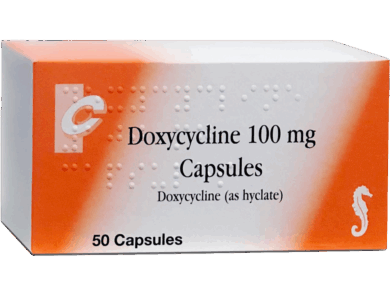


Doxycycline for Malaria Prevention 100mg Capsules
from
£11.75
Doxycycline for Malaria Prevention 100mg Capsules
Buy doxycycline for malaria
How to buy doxycycline for malaria online
- Complete a short online consultation about your destination, travel dates, health and any medicines you take.
- Our UK prescriber reviews your answers and decides whether doxycycline, and which pack, is suitable for your trip.
- If it is approved, our pharmacy dispatches your capsules in discreet packaging. Order in good time so you can start 1 to 2 days before you arrive.
Doxycycline Prices
| Name & Dosage | x37 Capsules (1 Week) |
x44 Capsules (2 Weeks) |
x51 Capsules (3 Weeks) |
x58 Capsules (4 Weeks) |
x72 Capsules (6 Weeks) |
x86 Capsules (8 Weeks) |
x114 Capsules (12 Weeks) |
x142 Capsules (16 Weeks) |
x212 Capsules (6 Months) |
x400 Capsules (1 Year) |
|---|---|---|---|---|---|---|---|---|---|---|
| Doxycycline 100mg | £11.75 | £12.99 | £14.99 | £15.99 | £17.30 | £19.30 | £23.30 | £28.49 | £39.99 | £72.99 |
Summary for Doxycycline Tablets for Malaria
| Medication Class | Tetracycline antibiotic, used as an antimalarial |
|---|---|
| Mechanism of action | For malaria, doxycycline acts as a suppressive antimalarial: it works against the parasite once it is in the red blood cells |
| Active ingredient | Doxycycline (as doxycycline hyclate) |
| Strength | 100 mg per capsule |
| Effective within | Start 1 to 2 days before you enter a malaria area. Keep taking it every day while there and for 4 weeks after you leave |
| Dosage Instructions | One 100 mg capsule once a day, at the same time each day, swallowed with a full glass of water while sitting or standing |
| Maximum dose | One capsule (100 mg) a day for preventing malaria, unless our prescriber advises otherwise |
| Manufacturer | Accord, Crescent, Glenmark |
| Use with alcohol | The leaflet advises avoiding alcohol, as it may reduce the effect of doxycycline |
About doxycycline for malaria
Key Points
- Doxycycline 100 mg is a prescription capsule that helps prevent malaria, including in areas where the parasite is resistant to chloroquine.
- Take one capsule a day with a full glass of water, from 1 to 2 days before you arrive until 4 weeks after you leave.
- Do not lie down for at least an hour after taking it, and do not take it just before bed.
- It can make your skin more sensitive to the sun, so avoid strong sunlight and use a broad-spectrum sunscreen.
- No antimalarial gives complete protection, so avoid mosquito bites as well and get urgent medical help for a fever during or after your trip.
What is doxycycline used for?
Doxycycline is a tetracycline antibiotic. As well as treating some bacterial infections, it is licensed to help prevent malaria in adults and children over 12 who travel to areas where malaria is found. It is one of the antimalarials recommended in UK guidance for areas where the parasite is resistant to chloroquine.
How does doxycycline prevent malaria?
Doxycycline prevents malaria by stopping the parasite making the proteins it needs to grow and multiply once it reaches your blood. It works on the parasite once it is in your red blood cells, rather than while it is developing in the liver. Parasites from a bite near the end of your trip can take time to reach your blood, so you need to keep taking it for 4 weeks after you leave a malaria area.
Who is doxycycline suitable for?
Doxycycline may be suitable for adults travelling to areas where malaria is found. Our prescriber checks your destination, your health and any medicines you take. It is not suitable if you are allergic to tetracyclines, and other medicines are usually advised in pregnancy and breastfeeding.
Doxycycline Dosage Instructions
How do you take doxycycline for malaria?
Take one 100 mg capsule once a day, at the same time each day, starting 1 to 2 days before you enter the malaria area and continuing for 4 weeks after you leave. Swallow it whole with a full glass of water while sitting or standing.
- Start 1 to 2 days before you arrive. Take your first capsule 1 or 2 days before you enter the malaria area.
- Take one capsule every day while you are there. Swallow it with plenty of water, sitting or standing, at about the same time each day. If it upsets your stomach, take it with food or a glass of milk.
- Stay upright for at least an hour afterwards, and do not take it just before bed. This stops the capsule irritating your food pipe (oesophagus).
- Keep going for 4 weeks after you leave. Stopping early raises your risk of malaria.
- Use bite prevention too. Use an insect repellent containing 50% DEET on exposed skin, sleep under an insecticide-treated net unless the room is well screened or has working air conditioning that keeps mosquitoes out, and cover up with long sleeves, long trousers and socks outdoors, especially from dusk to dawn.
What time of day should you take doxycycline?
Take it at the same time each day, well before you go to bed, so you can stay upright afterwards.
Can you take doxycycline with milk or dairy?
Yes. The product information says milk and food do not notably affect how doxycycline is absorbed, and taking it with food or milk can help if it upsets your stomach. Indigestion remedies, and iron, zinc or calcium supplements, are different: take these at a different time of day from doxycycline.
What if you forget a dose?
Take it as soon as you remember, then take your next capsule at the usual time. Do not take two capsules to make up for a missed one. If you miss several doses, contact our pharmacist or a doctor, as your protection may be reduced.
When should you see a doctor instead?
Get medical help urgently, during your trip or after you return, if you have:
- A high temperature, or feeling hot, cold or shivery, with or without headache, muscle aches, tiredness, sickness or diarrhoea, during your trip or within a year of returning. Malaria is an emergency: get an urgent GP appointment or help from NHS 111 the same day, say where you have travelled and ask for a malaria blood test
- Confusion, severe drowsiness, a fit or difficulty breathing. Call 999
See your GP or a travel clinic, rather than ordering online, if you are pregnant, might be pregnant, are trying for a baby or are breastfeeding, are under 18, have liver disease, or need travel vaccines as well.
Doxycycline Side Effects
What are the side effects of doxycycline for malaria?
The most common side effects of doxycycline are headache, feeling or being sick, a rash and skin that burns more easily in the sun, which affect up to 1 in 10 people. Taking it with food or milk may help with sickness. Not everybody gets side effects.
Stop taking it and get help straight away if you have
- Sudden wheezing, difficulty breathing, chest pain, fever, swelling of the eyelids, face or lips, or a rash or itching, especially all over the body (a serious allergic reaction). Call 999 if you are struggling to breathe
- Upset stomach, loss of appetite, or severe, persistent or bloody diarrhoea, which can happen up to 2 or 3 months after your last capsule and can be a sign of serious bowel inflammation
- A very severe headache, which may come with blurred vision, double vision or loss of vision
- A widespread rash with blistering or peeling skin, sores in the mouth, eyes or genitals, or a rash with fever and swollen glands (signs of a serious skin reaction)
- Worsening symptoms of lupus (SLE)
If you stop doxycycline during your trip, speak to a doctor straight away about another antimalarial, as you will not be protected.
Common (up to 1 in 10 people)
Headache, feeling sick (nausea), being sick (vomiting), skin more sensitive to sunlight, rash and allergic reactions.
Uncommon (up to 1 in 100 people)
Indigestion or heartburn, and vaginal infections.
Rare (up to 1 in 1,000 people)
Thrush (candida) infections, diarrhoea, stomach pain, changes in blood cells, raised pressure in the skull (severe headache with blurred or double vision), ringing in the ears, flushing, anxiety, inflammation of the pancreas or bowel, ulcers in the food pipe, liver problems, joint and muscle pain, loss of appetite, nail separation in sunlight and severe skin reactions.
Frequency not known
Tooth discolouration.
Frequencies are taken from the doxycycline SmPC. Doxycycline should not affect your ability to drive. If you get blurred or double vision, do not drive, and get medical help straight away. You can report side effects through the MHRA Yellow Card scheme (yellowcard.mhra.gov.uk).
How do you protect your skin in the sun?
Avoid strong sunlight and sunbeds, and use a broad-spectrum sunscreen correctly. Doxycycline can make your skin burn more easily, and the product information says to stop at the first sign of skin redness: if this happens during your trip, get medical advice on another antimalarial.
Doxycycline Warnings
Do not take doxycycline if you
- Are allergic to doxycycline, any other tetracycline antibiotic (such as tetracycline, minocycline or lymecycline) or any of the other ingredients
- Are pregnant, might be pregnant, are trying for a baby or are breastfeeding (see your GP or a travel clinic)
- Are under 18 (we do not supply online to under-18s)
Tell our prescriber first if you
- Have liver or kidney problems
- Have myasthenia gravis, systemic lupus erythematosus (SLE) or porphyria
- Have had a severe headache with blurred vision on a tetracycline before
- Take warfarin, ciclosporin, an epilepsy medicine (carbamazepine, phenytoin or a barbiturate), a retinoid such as isotretinoin, a penicillin antibiotic, or indigestion, iron or zinc remedies (see Interactions)
- Are due to have the oral typhoid vaccine
- Will be exposed to strong sunlight or UV light
Other precautions
- Doxycycline does not prevent the later illness that vivax or ovale malaria can cause. None of the antimalarials advised for prevention acts on the dormant liver stage of these types, which can cause illness months after travel.
- No antimalarial gives 100% protection. Get urgent medical help for any fever during your trip or within a year of returning.
Doxycycline Interactions
Some medicines stop doxycycline being absorbed or make it leave your body faster, and doxycycline can increase the effect of some medicines. Tell our prescriber about all the medicines you take, including medicines bought without a prescription and herbal remedies.
| Medicine | What it means |
| Indigestion remedies (antacids), and iron, zinc, calcium, magnesium or bismuth products | Reduce how much doxycycline is absorbed. Take them at a different time of day from doxycycline |
| Carbamazepine, phenytoin and barbiturates (for epilepsy) | Make doxycycline leave the body faster, so it may not protect you. Another antimalarial is usually advised |
| Warfarin and similar blood thinners | Doxycycline can increase their effect. Your INR may need checking |
| Ciclosporin | Doxycycline can raise ciclosporin levels |
| Penicillin antibiotics | Doxycycline may reduce their effect. Taking them together should be avoided |
| Retinoids, such as isotretinoin (for acne) | Taking them together should be avoided |
| Oral typhoid vaccine | Doxycycline may make the vaccine less effective. It should preferably not be started until 3 days after the last vaccine dose |
| Hormonal contraception | UK malaria guidance says extra contraception is not needed with doxycycline, unless you have vomiting or diarrhoea |
| Methoxyflurane (an anaesthetic used for pain relief) | Taking them together has been linked to kidney problems. Tell the doctor or paramedic that you take doxycycline |
| Paracetamol | No interaction is listed |
| Alcohol | May reduce the effect of doxycycline. The leaflet advises avoiding it |
Can you drink alcohol with doxycycline for malaria?
The leaflet advises avoiding alcohol while taking doxycycline, because it may reduce its effect, and alcohol can make doxycycline leave your body faster. If you do drink, do not miss a dose.
Can you take paracetamol with doxycycline?
Ask our pharmacist before taking paracetamol with doxycycline. The BNF lists an interaction between them: both medicines can increase the risk of liver damage. Tell our prescriber if you take paracetamol regularly, have liver problems or drink heavily, and never take more than the dose on the paracetamol pack.
Doxycycline and Pregnancy/Breastfeeding
Can you take doxycycline for malaria when pregnant?
The product information says doxycycline must not be taken in pregnancy, because tetracyclines can affect a baby’s teeth and bones. UK guidance says it is generally avoided in pregnancy.
Can you take doxycycline when breastfeeding?
The product information says doxycycline must not be taken while breastfeeding. UK guidance says other options are preferable.
Read the leaflet before you start taking doxycycline. The leaflet in your pack is the version for the product you receive.
Frequently Asked Questions
Yes. Doxycycline is one of the antimalarials recommended in UK guidance for preventing malaria, including in areas where the parasite is resistant to chloroquine, and UK guidance says its protection is comparable to mefloquine. No antimalarial gives complete protection, so you still need to avoid mosquito bites and get urgent medical help for a fever during or after your trip.
Neither is better for everyone. Doxycycline is taken for 4 weeks after you leave, while Malarone (atovaquone/proguanil) is taken for 7 days after you leave. Doxycycline can make your skin more sensitive to the sun and can cause thrush, and must be taken upright with plenty of water. Which suits you depends on your destination, health, other medicines and trip length. Our prescriber can advise you.
Malaria parasites from a bite just before you leave first develop in the liver, then move into the blood. Doxycycline acts on them once they are in the blood, so it needs to be taken for 4 weeks after you leave to cover this. Stopping early means you are not fully protected.
Yes, it is possible, especially if doses are missed or you stop early. No antimalarial acts on the dormant liver stage of vivax and ovale malaria, which can cause illness months later. If you get a fever during your trip or within a year of returning, get a malaria blood test the same day.
Doxycycline can be used as part of malaria treatment, usually alongside another antimalarial medicine, but only in hospital or under medical care. The capsules we supply are for prevention. If you think you have malaria, do not treat yourself: get a blood test and medical assessment the same day.
Yes. Doxycycline is a tetracycline antibiotic. Malaria is caused by a parasite, not bacteria, but doxycycline also works against the malaria parasite, which is why it is used to prevent malaria.
No. Doxycycline is a tetracycline, a different group of antibiotics, so a penicillin allergy does not on its own stop you taking it. Tell our prescriber about any allergies.
Yes. Doxycycline is a prescription-only medicine in the UK, so it cannot be bought over the counter. With us, you complete an online consultation and our prescriber decides whether it is suitable for you.
How long side effects last varies from person to person. If they continue or bother you, contact our pharmacist or a doctor. Do not stop the capsules during your trip without getting advice on another antimalarial.
Written and clinically reviewed by our pharmacists


Doxycycline Tablets Reviews
Product rated 4.8/5


Great product.
By David Thompson (via Reviews.io)
Excellent!
By Debbie (via Reviews.io)
What can I say. They are good for malaria treatment.
By Mr Longmore (via Reviews.io)
Great product and absolutely efficient
By A FullahCustomer reviews reflect individual experiences and are not medical advice.






Other options include:
Our Awards & Certifications
Our team of experienced pharmacists and healthcare professionals are dedicated to providing the highest level of care and service to every customer, ensuring that they receive the best possible healthcare experience.

Our Clients Say:
An excellent organisation. Our malaria tablets were easy to order, came with clear instructions and fast delivery. A good price too. We will definitely use this company again for medication.
By Jenny T.
Quick and easy process, good communication. I received a call from them just to check my regular medication.
By Linda H.
A very prompt, professional and discreet service which assists with daily living. Loyalty is rewarded when re-ordering and orders arrive on time.
By Anthony J.
So easy to browse, choose and order what you want. Great prices and fast delivery. Excellent company to deal with.
By Graeme H.
To be fair, I've checked out other pharmacy sites and done the comparisons on price. I'm very happy to purchase from Chemist Click. Delivery great too, even the cheapest option.
By Stephen L.
Always use Chemist Click, their service is second to none, very quick delivery on my purchases and never let me down, highly recommended.
By Ian H.
I am very happy with the speedy delivery, the professionalism and the value for money.
By Roy K.
Chemist Click is extremely easy to use and also user friendly. You get what you need without any hassle or hesitation. Delivery is very quick and delivered as stated. This is a great service for anyone of all ages and abilities.
By Mark P.Related articles...


