Weight loss isn’t always a straight line, and the scales don’t always reflect the progress your body is making.

This guide explains how to understand your weight loss properly, what changes really matter, and how to track progress in a way that’s realistic and motivating.

Weight loss calculator

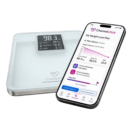
Our free percentage weight loss calculator shows results in seconds and makes it simple to see your progress over time.

Just enter your starting weight and current weight, and the tool will show you exactly how much you’ve lost, helping you stay motivated and focused on your goals.

Weight Loss Percentage Calculator

Track your progress and celebrate your achievements

Starting Weight
Current Weight

Share your progress:

Fantastic Progress!
Great job! Keep up the healthy habits!
No Change
Your weight has stayed the same. Consistency is key — keep going!
Weight Gained
You've gained weight. Don't worry — progress isn't always linear.
Significant Weight Loss
You've lost a large amount of weight. Please ensure this has been done safely and consult a healthcare professional if unsure.

Understanding weight loss percentage

Weight loss percentage is a simple way to understand how much weight you’ve lost compared to where you started.

Rather than focusing on the number on the scales alone, it shows your progress in a way that’s easier to compare over time and between different people.

Weight loss percentage is worked out by looking at:

  • The difference between your starting weight
  • Your current weight
  • Then expressing that as a percentage of your starting weight

For example, losing 5kg means something very different for someone who started at 70kg compared with someone who started at 110kg.

Luckily, you don’t need to worry about how to work out a percentage. Our calculator does this for you automatically. Enter your starting weight and your current weight, and the calculator shows your weight loss as a percentage.

This helps you see small but meaningful changes that might not feel obvious day to day and gives a clearer picture of progress than the scales alone.

Using percentages can also be motivating, as even modest reductions can reflect real health benefits and steady progress in the right direction.

What is a healthy weight loss percentage?

For most people, losing around 5–10% of their starting weight over time is considered a realistic and meaningful goal.

A healthy weight loss percentage is one that reflects steady, sustainable progress rather than rapid changes.

This level of weight loss has been shown to bring health benefits, such as improved blood sugar control, lower blood pressure, and reduced strain on joints, even if you’re still above your ideal weight.

It’s important to remember that healthy weight loss isn’t the same for everyone.

Your age, starting weight, medical conditions, and how you’re losing weight – for example, lifestyle changes or weight loss medication, all play a role.

Faster or larger percentages aren’t always better, and very rapid weight loss can be hard to maintain.

If you are using weight loss injections, you can expect your weight loss to be in the region of around 20% of your starting weight.

The importance of tracking your progress

Tracking your progress helps you understand what’s really happening with your weight over time, rather than relying on day-to-day changes on the scales.

Weight naturally goes up and down, so looking at trends gives a clearer picture of whether you’re moving in the right direction.

By tracking regularly, you can spot small but meaningful changes that might otherwise be easy to miss. Seeing progress written down, even gradual progress, can be motivating and help you stay consistent with healthy habits.

Tracking also helps you notice patterns. For example, you might see how changes to your eating, activity, sleep, or medication affect your results. If progress slows or stalls, having this information makes it easier to adjust your approach or seek advice.

Our calculator makes tracking simple by showing your results in clear numbers and percentages, helping you focus on steady, sustainable progress rather than short-term fluctuations.

NHS & official health resources

Here are some useful UK-focused tools and resources to help you track your weight, food, activity and progress as part of your weight loss journey:

  • NHS Better Health: A hub of free support including tools, tips and apps to help you lose weight, track activity and make healthy lifestyle changes.
  • NHS Weight Loss Plan App: A free 12-week plan with a daily diary to log food, exercise and weekly weight trends (iPhone & Android).
  • NHS BMI Calculator: Easy tool to check whether your weight is in a healthy range for your height.
  • NHS Digital Weight Management Programme: An online course offering health tracking, learning modules and goal-setting tools. Ask your GP how to access it.

Frequently Asked Questions

For most people, losing a stone (14lb or about 6.5kg) safely takes around 2 to 4 months. A healthy, sustainable rate of weight loss is usually 1–2lb per week. Losing weight faster than this can be hard to maintain and may increase the risk of side effects or rebound weight gain.

87 kg is approximately 13 stone 10 pounds.

(1 stone = 6.35 kg, and 1 stone = 14 pounds.)

To find out how much you weigh in stones and pounds, you can convert your weight from kilograms or use an online calculator. Our free weight loss calculator does this for you instantly and shows your weight change and weight loss percentage, making it easier to track your progress over time.

Losing a stone (14 lb / 6.5 kg) in just 2 weeks is not considered safe or realistic for most people.

Healthy weight loss is usually 1–2 lb (0.5–1 kg) per week, so trying to lose a stone that quickly could be risky and is hard to maintain. Steady, gradual weight loss is safer and more sustainable.


Whilst all of our content is written and reviewed by healthcare professionals, it is not intended to be substituted for or used as medical advice. If you have any questions or concerns about your health, please speak to your doctor.

Share