Mounjaro (tirzepatide) is being used by millions of people worldwide as an effective treatment for weight loss and type 2 diabetes.
While it has transformed many lives through its phenomenal results, some users experience hair loss as a side effect.
Hair loss is a recognised but generally temporary side effect of Mounjaro.
It often occurs during periods of rapid weight loss or hormonal adjustment, and in most cases, hair regrows once the body adapts to the new changes.
Yes, Mounjaro can cause hair loss.
According to studies, it is estimated that around 10% of users experience hair loss with Mounjaro.
Hair loss itself is not a direct result of medication, but it is due to the rapid rate of weight loss.
Hair loss and hair thinning are usually temporary and resolve as the body adjusts to significant weight fluctuations or a reduced calorie intake.
It is a short-term effect known as telogen effluvium, which often improves once your weight and nutrition levels stabilise.
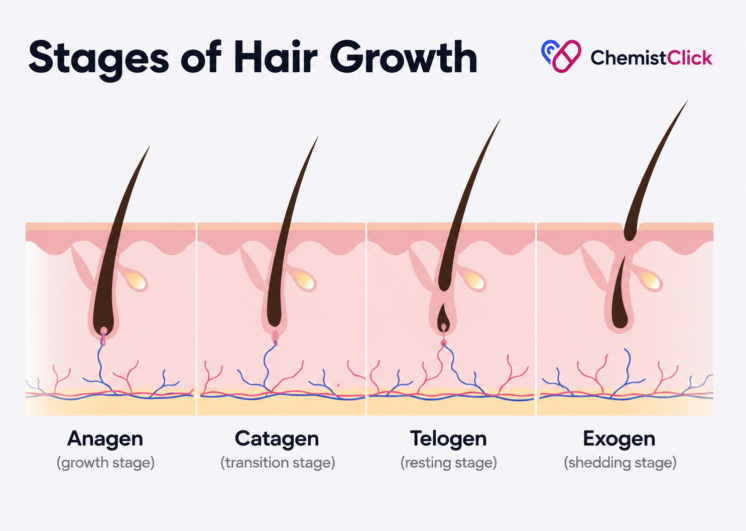
To see why Mounjaro can cause hair loss, it helps to understand the different stages of the hair growth cycle.
Your hair naturally cycles through four growth phases.
Anagen phase: The active growth stage, lasting around 2 to 8 years. During this time, hair follicles produce new strands that continue to grow until they are cut or reach the end of their life cycle.
Catagen phase: A short transitional stage of about 2 weeks, where hair follicles shrink and growth slows down.
Telogen phase: The resting stage, lasting around 2 to 3 months. After significant or rapid weight loss, more hairs than usual can enter this phase, leading to noticeable thinning or shedding.
Shedding phase: The final stage, where old hairs are released from the scalp, making way for new ones to grow.
Rapid weight loss can disrupt this balance, pushing more follicles into the telogen (resting) phase, which leads to increased shedding. This is known as telogen effluvium.
In most cases, hair growth returns to its usual pattern once the body adapts.
The most common reasons include:
Starting a new medication, making lifestyle changes, or experiencing rapid weight loss can all be perceived by the body as a form of stress.
This is known as telogen effluvium, when stress pushes hair follicles into a resting phase, causing hair to shed.
Hair shedding related to weight loss has been observed in individuals who lose around 15% of their body weight.
Rapid weight loss or a significant reduction in food intake can cause deficiencies in key nutrients such as protein, iron, zinc, and biotin, all of which are essential for healthy hair growth.
When these nutrients are lacking, hair follicles may enter the resting phase, leading to increased shedding (telogen effluvium). Maintaining a balanced, nutrient-rich diet can help minimise hair loss.
Weight loss and metabolic changes can affect thyroid hormones, insulin, and sex hormones.
Changes in these hormone levels can make hair follicles enter the resting phase sooner than usual, slowing new growth (telogen effluvium). This effect generally eases as hormone balance returns to normal.
Some hormonal changes that can contribute to hair loss during weight loss include:
While hair loss can occur during Mounjaro treatment, there are steps you can take to prevent this from happening and help support regrowth.
| Tip | Explanation |
|---|---|
| Maintain a balanced diet | Ensure adequate intake of protein, iron, zinc, biotin, and omega-3 fatty acids to support healthy hair growth and scalp function. |
| Aim for gradual weight loss | Rapid weight changes can sometimes trigger hair shedding, so steady progress supports better overall health and hair stability. |
| Manage stress | Use relaxation techniques, light exercise, and ensure sufficient sleep to reduce body stress that can interfere with the normal hair growth cycle. |
| Stay hydrated | Aim for the NHS-recommended 6 to 8 glasses of fluid per day to stay hydrated. This supports circulation and helps deliver nutrients to hair follicles. |
| Regular check-ups | Have regular check-ups with your pharmacist or doctor to monitor your health and nutrient levels. Catching any deficiencies or hormonal changes early can help prevent further hair loss. |
| Monitor hormones and health conditions | Hair loss can be influenced by hormonal changes, thyroid problems, or other health conditions. Regular medical reviews can help identify and treat underlying causes. |
| Gentle hair care | Avoid harsh chemicals, heat styling, and tight hairstyles that strain the hair. Choose mild shampoos and conditioners to minimise breakage and support a healthy scalp. |
| Mounjaro hair loss treatment | Topical minoxidil can stimulate hair follicles and promote thicker growth. There are no known interactions between the two but check with a healthcare professional before use. |
Seek advice from your doctor or pharmacist if your shedding is severe, persists for several months, or is accompanied by other symptoms such as fatigue, unusual weight changes, or signs of nutritional deficiencies.
Early guidance can help identify any underlying issues and support your hair and overall health.
Hair loss can happen while taking Mounjaro. This is usually due to reduced calorie intake, stress on your body from rapid weight loss, or changes in hormones, rather than the medication itself directly.
Most hair shedding is not permanent and improves as the body adjusts. Paying attention to nutrition, your hair care routine, and overall health can support recovery, and it is important not to forget that hair growth takes time.
Most people see improvement within a few months once the body adapts to weight loss and any deficiencies or hormonal imbalances are corrected.
No, there is no way to stop hair loss from Mounjaro overnight. Hair growth is a gradual process, and the best approach is to support your body with well-balanced nutrition, gentle hair care practices, and overall health while the hair naturally recovers.
No, your hair will grow back as your body adjusts, and any nutritional or hormonal imbalances are addressed.
For most people, hair starts to regrow within a few months, once your body adjusts to the medication.
No, Mounjaro is not designed to promote hair growth. Its effects on hair are indirect; any improvement in hair health is likely to be a result of stabilising weight, nutrition, and overall health rather than the medication itself.
For as long as you are experiencing rapid weight loss. Hair usually regrows within 3-6 months.
Yes, this is because hair loss is caused by a reduction in calories and stress on the body.
All weight loss injections list hair loss as a common side effect.
No, it is a temporary side effect and your hair will regrow once your weight is stabilised.
Whilst all of our content is written and reviewed by healthcare professionals, it is not intended to be substituted for or used as medical advice. If you have any questions or concerns about your health, please speak to your doctor.