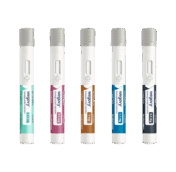
Wegovy is considered safe for most people who meet the eligibility criteria. Its safety and effectiveness have been proven in large clinical trials and approved by major regulators, including the MHRA in the UK and the FDA in the US.
Like any medication, Wegovy can cause side effects. The most common are mild gastrointestinal symptoms such as nausea, diarrhoea, vomiting, and constipation. These usually improve as your body adjusts to treatment.
There are certain instances where Wegovy may not be safe to use. Your doctor or pharmacist will be able to assess whether or not you are able to use Wegovy safely.
Yes, Wegovy is considered safe when prescribed by a healthcare professional and used as directed.
Before starting Wegovy, your doctor or pharmacist will assess your suitability by reviewing your medical history, current medications, and body mass index (BMI).
Your prescriber will also monitor your progress and ensure you follow the recommended Wegovy dosing schedule. This gradual dose increase allows your body to adjust to semaglutide, helping to minimise side effects. If you experience side effects, you may be able to stay on a lower dose for longer, as long as you’re still losing weight effectively.
A clinical trial is a carefully designed research study that tests how safe and effective a medical treatment is in humans.
The STEP trials (Semaglutide Treatment Effect in People with Obesity) are a major group of clinical studies that evaluated how effective and safe Wegovy is for weight loss.
These trials were critical in proving the safety and effectiveness of Wegovy and were used by regulators to approve it as a weight loss medication.
| STEP Study | Who Was Studied? | Average Weight Loss | Common Side Effects (mostly stomach-related) | Serious Risks (Rare) |
|---|---|---|---|---|
| STEP 1 (Feb 2021) | Adults with overweight or obesity (no diabetes) | 14.9% weight loss in 68 weeks | 74% reported nausea, diarrhoea, constipation or vomiting (vs 47.9% on placebo) | 9.8% had a serious issue (vs 6.4% placebo) Mostly gallbladder problems, rare pancreatitis |
| STEP 2 (Mar 2021) | People with type 2 diabetes | 9.6% weight loss | 87.6% had stomach side effects (vs 79.9% placebo) | Serious events mainly low blood sugar due to diabetes meds (no large difference vs placebo reported) |
| STEP 3 (Feb 2021) | Wegovy + lifestyle coaching | 16% weight loss | 82.8% had stomach symptoms (vs 63.2% placebo) | 3.4% stopped Wegovy due to side effects (not life-threatening) |
| STEP 4 (Mar 2021) | People who lost weight, then continued or stopped Wegovy | Continued: 7.9% more weight loss — Stopped: 6.9% weight gain | 41.9% had stomach symptoms (vs 26.1% placebo) | Serious issues: 7.9% vs 6.9% placebo |
| STEP 5 (2-year study) | Long-term use (104 weeks) | 15.2% weight loss (vs 2.6% placebo) | Stomach side effects most common (exact % not published, majority during dose increase) | 7.9% serious events vs 11.8% placebo (fewer serious problems on Wegovy) |
| STEP 8 | Wegovy vs liraglutide (Saxenda) | 15.8% weight loss with Wegovy | Stomach side effects in 84.1% (vs 82.7% liraglutide) | Withdrawal due to side effects: 13.5% Wegovy vs 27.6% liraglutide |
Seen in 7–10% of users and include:
*In STEP 5, serious events were actually lower on Wegovy than the placebo.
While Wegovy is considered safe for most people, it isn’t suitable for everyone.
You should not use Wegovy if you:
Wegovy is not safe for everyone and using it without proper medical supervision can put your health at risk.
It is important to get a prescription from a qualified healthcare professional and tell them about any medical conditions or medications you are taking, as these may interact with Wegovy and cause serious problems.
The most common side effects of Wegovy (affecting more than 10% of users) include:
These effects are usually mild and tend to happen when you first start Wegovy or increase your dose.
Wegovy can occasionally cause more serious reactions.
Pancreatitis (inflamed pancreas) is uncommon but serious. Symptoms include severe, ongoing stomach pain that may spread to your back. Seek medical help immediately if this happens.
Severe allergic reactions are rare (up to 1 in 1,000 people) and may include:
Hip fractures have also been reported in rare cases.
If you experience any of these symptoms, seek urgent medical attention.
Start at the dose your doctor recommends and increase gradually, usually every 4 weeks, to reduce side effects like nausea or fatigue. Do not skip doses or change your dose on your own.
Mild nausea, constipation, or tiredness are common at first. If side effects are severe or persistent, contact your prescriber for advice.
Make sure your doctor knows about any history of thyroid problems, pancreatitis, or other serious health conditions, as Wegovy may not be suitable for everyone.
Continue a balanced diet, stay hydrated, and keep active. These habits support weight loss and help your body adjust to the medication.
Attend scheduled appointments so your doctor can monitor your weight, blood pressure, and overall health, and adjust your treatment if required.
Yes, Wegovy has been studied in clinical trials for up to 68 weeks, and long-term data so far suggest it is generally safe when taken under medical guidance. Ongoing monitoring is important to watch for side effects, maintain healthy nutrition, and ensure the medication continues to be effective for weight management.
Clinical studies have followed people for over a year, and ongoing monitoring by your doctor helps ensure it continues to be effective and safe for you.
Yes, it can be safe to purchase Wegovy online, but only if it’s from a properly licensed UK pharmacy like Chemist Click that gives you a full medical consultation and prescription.
Buying weight loss injections from unverified sources puts you at risk of fake, unsafe or ineffective products.
Yes, Wegovy can be safely used in people with type 2 diabetes, and its safety has been proven in clinical trials such as the STEP 2 study. However, it must only be used under medical supervision. If you are taking other diabetes medications, especially insulin or sulfonylureas, your doctor may need to adjust your dose to reduce the risk of low blood sugar (hypoglycaemia).
No, Wegovy should not be used during pregnancy. Weight loss medications are not recommended while pregnant, and there is not enough safety data to show that semaglutide is safe for unborn babies. If you become pregnant while using Wegovy, you should stop treatment and speak to your doctor immediately.
No, Wegovy is not recommended while breastfeeding. It is unknown whether semaglutide passes into breast milk, and there may be a risk to your baby. If you are breastfeeding or planning to breastfeed, speak to your doctor before starting Wegovy.
Whilst all of our content is written and reviewed by healthcare professionals, it is not intended to be substituted for or used as medical advice. If you have any questions or concerns about your health, please speak to your doctor.