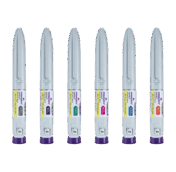
Mounjaro is a weight loss injection which works by suppressing your appetite.

This article explains what happens when you combine Mounjaro and alcohol, the potential risks to be aware of, and practical guidance to help you stay safe while on treatment.

Can you drink alcohol on Mounjaro?

Yes, you can drink alcohol while using Mounjaro (tirzepatide), but it is best to do so in moderation, particularly when starting treatment.

There is no direct interaction between Mounjaro and alcohol, however, heavy drinking is not advised.

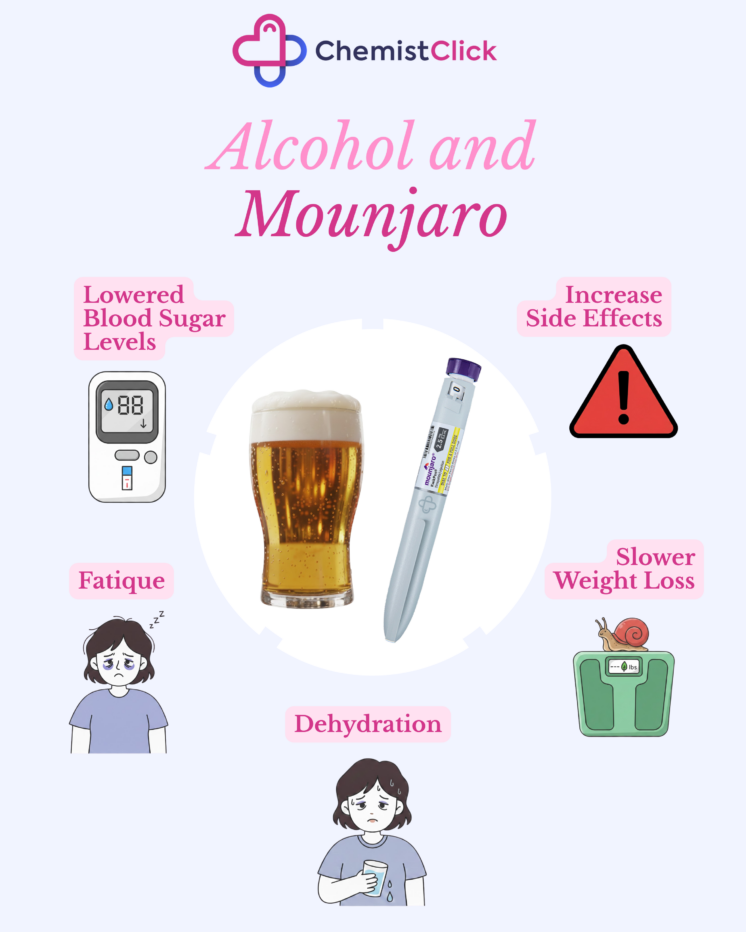
Alcohol can worsen common side effects such as nausea and dehydration, add extra calories that may slow weight loss, increase food cravings, and affect blood sugar levels.

For most people, occasional light drinking is safe.

It is important to stay well hydrated, pay attention to how your body responds, and speak with a healthcare professional if you have concerns about drinking while on treatment.

Risks of combining Mounjaro and alcohol

Both Mounjaro and alcohol can affect how your body processes food and regulates blood sugar, so using them together can make certain reactions more likely to occur.

These include:

Low blood sugar (hypoglycaemia)

Mounjaro and alcohol can cause your blood sugar levels to drop, and the following symptoms may occur:

  • Shakiness or trembling
  • Sweating
  • Dizziness or light-headedness
  • Feeling hungry or anxious
  • Blurred vision
  • Confusion or difficulty concentrating

This is more likely if you are also taking other diabetes medications, skip meals, or exercise heavily.

Always keep an eye on your symptoms and treat low blood sugar promptly.

Increased side effects

Mounjaro can cause nausea, vomiting and other stomach issues. Alcohol can intensify these side effects.

Dehydration and fatigue

Alcohol is a diuretic, as it makes you urinate more, stopping your body from holding onto water. Combining Mounjaro and alcohol can increase the risk of dehydration and make side effects worse.

Slower weight loss

Alcohol contains extra calories that can work against your weight loss goals and increase cravings for high-calorie foods. Because the body focuses on breaking down alcohol first, it can also slow the process of burning fat.

How to drink safely on Mounjaro

If you choose to drink alcohol while taking Mounjaro, it’s important to do so safely.

Tip Why It Matters
Never drink on an empty stomach Food helps stabilise your blood sugar and reduces the risks of side effects.
Stick to small amounts Ideally no more than 1–2 drinks on any occasion and stay within the UK weekly limit of 14 units.
Choose lighter options Small glass of wine, a spirit with diet mixer, or light beer. Avoid sugary cocktails that can spike blood sugar.
Sip slowly and stay hydrated Alternate alcohol with water or a soft drink to prevent dehydration and help your body process alcohol safely.
Monitor your blood sugar If you have diabetes, check your levels before and after drinking, as alcohol can cause delayed drops in blood sugar.
Avoid alcohol when feeling unwell Skip drinking if experiencing nausea, vomiting, dehydration, or stomach pain.
Time your doses Leave a gap of a few hours before injecting Mounjaro and drinking to avoid side effects when they are most likely to affect you.
Mounjaro

Start your weight loss journey with Mounjaro

Check Eligibility

How does alcohol affect weight loss?

  • Empty Calories: Alcohol is high in calories but offers no nutritional value. A pint of beer can have around 180-200 calories, and a glass of wine about 150 – extra energy that the body must burn before fat.
  • Slower Fat Burning: The body prioritises breaking down alcohol over fat, which temporarily stops fat burning and reduces weight-loss efficiency.
  • Increased Appetite: Alcohol affects blood sugar and hunger hormones, often leading to cravings for high-fat or sugary foods.
  • Poor Sleep and Energy: Even small amounts can disturb sleep, leaving you tired and less likely to make healthy choices or exercise.
  • Reduced Motivation: Alcohol lowers self-control, making it easier to overeat or skip workouts.

Final Thoughts

You do not have to give up alcohol completely on Mounjaro, but moderation and timing matter.

Drink slowly, eat beforehand, and always listen to your body.

If you are unsure how alcohol affects you on this medication, speak with your pharmacist or prescriber before drinking.

Frequently Asked Questions

Early research suggests that Mounjaro and similar GLP-1 medications may reduce alcohol cravings and intake. Studies have shown lower reported alcohol use and fewer binge-drinking episodes among people taking tirzepatide or semaglutide.

However, Mounjaro is not approved or licensed for treating alcohol dependence, and current evidence is limited. Some people may notice less desire to drink, but results vary, and anyone with a history of alcohol misuse should seek professional support.

There is no “best” alcohol to drink while taking Mounjaro, but choosing drinks lower in sugar and alcohol content, like a small glass of wine or a light beer, may be more appropriate. Always drink in moderation, avoid alcohol on an empty stomach, and stay hydrated to reduce side effects.

Yes, Mounjaro can make hangovers feel worse. It may increase dehydration, nausea, and slow stomach emptying, all of which are made worse by alcohol. When combined, these can intensify hangover symptoms. For people with type 2 diabetes, drinking alcohol while taking Mounjaro can also increase the risk of dangerous blood sugar fluctuations.

There is no set limit on how many drinks you can have, as there is no direct interaction between alcohol and Mounjaro. However, drinking can worsen side effects, so it depends on your individual tolerance.


Whilst all of our content is written and reviewed by healthcare professionals, it is not intended to be substituted for or used as medical advice. If you have any questions or concerns about your health, please speak to your doctor.

Share