Weight loss tablets (Oral GLP-1 Tablets)

If you like the idea of medical weight loss treatment but do not want injections, oral GLP-1 tablets are one of the most exciting developments to watch. 

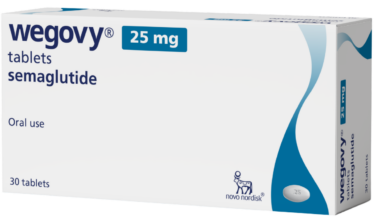
The two products generating the most interest are Wegovy tablets and orforglipron. 

Wegovy itself is currently licensed in the UK as an injection, while semaglutide tablets sold as Rybelsus are licensed for type 2 diabetes, not weight loss.  

But obesity studies using oral semaglutide have shown very promising results.  

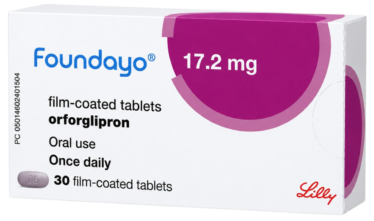
Orforglipron is a newer once-daily oral GLP-1 tablet being developed specifically as a pill. It is not yet available in the UK, but late-stage trial results suggest it could become a major option in the future.  

What GLP-1 tablets are available in the UK?

At the moment, there is a clear difference between what is being studied and what is currently licensed. 

In the UK, Wegovy is licensed for weight management as an injection. Rybelsus, which is a semaglutide tablet, is licensed for diabetes rather than weight loss. That means a true licensed “Wegovy pill” is not yet available as a standard UK weight loss treatment.  

Orforglipron is also not yet available in the UK. Lilly has said it plans to submit it for regulatory review, but for now it remains an investigational medicine rather than a product people can currently be prescribed.  

So, for this page, the focus is really on what the studies show so far rather than what is already routinely available. 

What are the best weight loss tablets?

The two most exciting oral GLP-1 tablets in development for weight loss are oral Wegovy and orforglipron.

In the OASIS 4 trial, adults with overweight or obesity taking oral semaglutide once daily lost an average of 13.6% of their body weight after 64 weeks.

Orforglipron has also shown strong results. In Lilly’s Phase 3 ATTAIN-1 trial, people lost up to 15% of their starting weight

Based on the evidence so far, it appears as though orforglipron has slightly better results.

Side effects of GLP-1 tablets

Like injectable GLP-1 medicines, oral GLP-1 tablets mainly cause digestive side effects.

The most common ones include:

  • nausea
  • diarrhoea
  • vomiting
  • constipation
  • stomach discomfort
  • indigestion

In the OASIS 4 study, gastrointestinal side effects were reported in 74.0% of people taking oral semaglutide 25mg, compared with 42.2% with placebo.

With orforglipron, the side effect pattern also appears similar to other GLP-1 medicines, with stomach-related side effects being the most common. Lilly described the safety and tolerability profile as consistent with injectable GLP-1 therapies in the Phase 3 obesity trial.

In simple terms, these tablets can work well, but they are still medicines that often come with nausea or other digestive side effects, especially when treatment is started or the dose is increased.

Do GLP-1 tablets work as well as the injections?

They may get surprisingly close.

The most important data here is the oral semaglutide obesity study. In OASIS 4, average weight loss was 13.6% at 64 weeks, which shows that a GLP-1 tablet can deliver meaningful medical weight loss, not just modest results.

That said, in the UK, the established semaglutide product for weight management is still injectable Wegovy, not a tablet. Official UK guidance continues to distinguish between Wegovy for weight loss and Rybelsus for diabetes.

Orforglipron is also clearly effective, but the fairest way to describe it is that it has shown double-digit average weight loss, with a significant proportion of people reaching 15% or more weight loss in trials.

So, the short answer is yes, oral GLP-1 tablets can work very well, but injections are still the more established option for now.

How often do you need to take GLP-1 tablets?

Both oral semaglutide and orforglipron are designed as once-daily tablets.

That is one of the biggest differences compared with medicines like Wegovy, which are usually taken once a week by injection.

For some people, taking a tablet every day feels much easier than using an injection. For others, a weekly injection may feel more convenient than remembering a daily tablet. It often comes down to personal preference.

Frequently Asked Questions

Oral GLP-1 tablets work by copying the action of the natural GLP-1 hormone in your body. In simple terms, they help you feel fuller, reduce appetite, and slow down how quickly food leaves your stomach. That can make it easier to eat less and stay in a calorie deficit over time. The obesity trials for oral semaglutide 25mg and the Phase 3 programme for orforglipron are both based on this GLP-1 mechanism.

At the moment, NHS access to obesity medicines in England is centred mainly around injections, not oral GLP-1 tablets. NHS England states that Wegovy and Saxenda were previously prescribed in secondary care, while tirzepatide is being introduced through a phased rollout pathway.

So right now, a tablet-based GLP-1 option such as oral semaglutide for obesity or orforglipron is not an established routine NHS weight loss option.

They are completely different types of weight loss treatment.

When people say Wegovy pills, they usually mean an oral semaglutide-style GLP-1 tablet. Mysimba is not a GLP-1 medicine. It works through different pathways in the brain involved in appetite and cravings. So although both may be described as weight loss tablets, they are not the same kind of treatment.

Based on the studies so far:

  • Oral semaglutide: average 13.6% weight loss at 64 weeks
  • Orforglipron: average 12.4% weight loss at 72 weeks at the highest dose, with 40% of people losing 15% or more of their starting body weight

That means both look capable of producing meaningful weight loss, although individual results will always vary.

image

Our Clients Say:

Featured Articles