
Discreet and confidential delivery

300,000+ trusted patients

No hidden fees

10,000+ 5* reviews



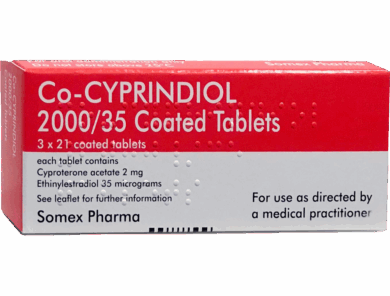


Co-Cyprindiol 63 tablets (3-month course)
from
£24.99
Co-Cyprindiol 63 tablets (3-month course)
Buy co-cyprindiol online
You are able to buy Co-cyprindiol online by filling out a brief medical questionnaire. These questions help our UK registered prescribers to determine whether it is medically appropriate for you to receive a prescription. All treatments are dispatched in plain and discreet packaging, with next day delivery options available.
Co-Cyprindiol Prices
| Name & Dosage | x3 x 21 Tablets (3 Month Course) |
|---|---|
| Co-Cyprindiol 2000/35mcg x 21 Tablets (3 Month Course) |
£24.99 |
Summary for Co-Cyprindiol
| Medication Class | Combined hormonal pill containing an anti-androgen |
|---|---|
| Mechanism of action | Cyproterone acetate blocks the effects of androgens (male hormones) on the skin and lowers their production, reducing oil and hair growth. With ethinylestradiol, it also stops ovulation, so it works as a contraceptive |
| Active ingredient | Cyproterone acetate and ethinylestradiol |
| Strength | 2 mg cyproterone acetate and 35 micrograms ethinylestradiol in each tablet |
| Legal category | Prescription-only medicine (POM) |
| Brand equivalent | Dianette |
| Effective within | Skin: at least 3 months. Contraception: straight away if you start on day 1 of your period |
| Dosage Instructions | One tablet a day at about the same time for 21 days, then 7 days without tablets |
| Late pill window | Up to 12 hours |
| Maximum dose | One tablet a day, apart from taking a late pill as soon as you remember |
| Use with alcohol | No interaction with alcohol is listed in the product information. Being sick or having severe diarrhoea can stop the pill working, so follow the vomiting advice if this happens |
About Co-Cyprindiol
Key points
- Co-cyprindiol treats moderate to severe acne linked to male hormones, when other treatments have not worked, and excess hair growth (hirsutism).
- It contains cyproterone acetate 2 mg and ethinylestradiol 35 micrograms, the same as Dianette, so it is a combined pill.
- Take one tablet a day for 21 days, then have a 7-day break.
- It takes at least 3 months for your skin to improve.
- It works as a contraceptive while you take it. Do not use another hormonal contraceptive with it.
- It has a higher risk of blood clots than some other combined pills, so our prescriber checks your risk before prescribing it and reviews whether you still need it.
- It does not protect against sexually transmitted infections.
What is co-cyprindiol?
Co-cyprindiol is a combined pill containing an anti-androgen, cyproterone acetate (2 mg), and an oestrogen, ethinylestradiol (35 micrograms). It is licensed to treat moderate to severe acne linked to sensitivity to male hormones, with or without very oily skin, and excess hair growth (hirsutism) in women of reproductive age. For acne, it is used only when creams or gels, or antibiotic tablets, have not worked. Co-cyprindiol also works as a contraceptive while you take it, but it is not recommended for contraception alone. The name ‘co-cyprindiol’ is the generic name for this combination, and Dianette is the original brand.
How does co-cyprindiol work?
Co-cyprindiol works by blocking the effects of androgens, the hormones that drive oil production in the skin and hair growth. Cyproterone acetate stops androgens acting on the oil glands and hair roots and lowers the amount of androgens the body makes, so the skin becomes less oily and hair grows more slowly and finely. Together, cyproterone acetate and ethinylestradiol also stop the ovaries releasing an egg each month, which is why it works as a contraceptive.
How long does co-cyprindiol take to work?
Co-cyprindiol takes at least 3 months to improve acne or excess hair growth, and hair growth can take longer to change. You are protected from pregnancy straight away if you start on day 1 of your period. Keep taking it as prescribed, and speak to our prescriber if your skin has not improved after about 3 months.
How long can you take co-cyprindiol for?
There is no fixed limit, but the product information says your prescriber should review regularly whether you still need co-cyprindiol (NICE suggests a review at 6 months for people with PCOS). Because the risk of blood clots is higher than with some other pills, the aim is to use it while it is needed for your skin. When your skin is under control, our prescriber may suggest stopping it or switching to another method of contraception. Co-cyprindiol can be restarted if acne comes back.
Who is co-cyprindiol suitable for?
Co-cyprindiol may be suitable for women with moderate to severe acne or excess hair growth that has not improved with other treatments, who have no reasons they cannot take an oestrogen pill. It is not suitable if you have had a blood clot, a stroke or heart attack, migraine with aura, breast cancer, a meningioma or some liver problems, or if you are pregnant or breastfeeding (see Warnings). Being over 35 and smoking, being very overweight or having high blood pressure can also make it unsuitable.
Co-Cyprindiol dosage instructions
How to take co-cyprindiol
Take one co-cyprindiol tablet every day at about the same time for 21 days, then stop for 7 days before starting the next strip.
- Start your first strip on day 1 of your period (the first day of bleeding), taking the tablet marked with that day of the week.
- Swallow each tablet whole with some water.
- Follow the arrows on the strip, taking one tablet a day until all 21 are finished.
- Have 7 days without tablets. You will usually have a bleed during this time. You are still protected from pregnancy if you have taken your tablets correctly.
- Start your next strip on day 8, even if you are still bleeding. You will always start a new strip on the same day of the week.
Starting or switching to co-cyprindiol
- Not using hormonal contraception: start on day 1 of your period. You are protected straight away.
- Switching from a 21-day combined pill: start the day after your last tablet, without a break. From a 28-day combined pill (or one with inactive tablets): start the day after your last active tablet. No extra contraception is needed.
- Switching from Dianette: start the day after your last Dianette tablet, without a break, as the tablets contain the same ingredients.
- Switching from an implant, injection or hormonal coil: our prescriber will advise.
- Switching from a progestogen-only pill: start on the first day of bleeding and stop the progestogen-only pill. No extra contraception is needed.
- After a miscarriage or abortion in the first 3 months of pregnancy, you can usually start straight away. Later than that, ask your doctor, and you may need condoms for a short time.
- After having a baby: you cannot take co-cyprindiol while breastfeeding. If you are not breastfeeding, your doctor will advise when to start, usually around 21 days after the birth, using condoms until you start and for the first 7 days.
What should you do if you miss a co-cyprindiol pill?
If you are less than 12 hours late, take the pill as soon as you remember, even if this means taking two in one day, and take the next one at the usual time. You are still protected.
If you are more than 12 hours late, or have missed more than one pill:
- Take the most recent missed pill as soon as you remember, even if this means taking two at once. Leave any earlier missed pills in the strip.
- Take the next pills at the usual time and use condoms for the next 7 days.
- If you missed pills in the first 7 days of a strip and had sex in that week, you could be pregnant. Speak to a pharmacist, your GP or a sexual health clinic as soon as possible about emergency contraception.
- If the 7 days run past the end of your strip, start the next strip straight away without a break. You may not have a bleed until the end of the second strip. If you then do not have a bleed in the break, do a pregnancy test before starting another strip.
If you start a new strip late, or have a break longer than 7 days, you may not be protected. If you had sex in the last 7 days, speak to a pharmacist, your GP or a sexual health clinic as soon as possible about emergency contraception.
If you miss pills and do not have a bleed in the next 7-day break, you may be pregnant. Do a pregnancy test before starting the next strip.
What if you are sick or have diarrhoea?
If you are sick or have very bad diarrhoea, your body may not absorb that day’s tablet. If you feel better within 12 hours of taking the tablet, either take the last tablet in your strip in place of it (your strip will then finish a day early, so start your next strip a day earlier), or take a tablet from a spare strip, then carry on as normal. If the sickness or diarrhoea lasts more than 12 hours after taking a tablet, follow the missed pill advice above. If it carries on, speak to your doctor, who may suggest another method of contraception for a while.
When should you see a doctor instead?
Speak to your GP, or a sexual health clinic for contraception, rather than starting co-cyprindiol online if you have:
- Severe acne with scarring, painful lumps or cysts, which may need a referral to a dermatologist
- Excess hair growth that has come on quickly, or with a deeper voice, hair loss from the scalp or missed periods, which can be a sign of a hormone problem that needs checking
- Bleeding between periods or after sex that has not been checked by a doctor
- A blood clot in the past, or a close relative who had a blood clot at a young age
- A new breast lump, or current or past breast cancer
- Migraines with aura (flashing lights or blind spots before the headache)
- A possible pregnancy, or unprotected sex in the last few days. You may need emergency contraception first
Co-Cyprindiol Side Effects
What are the side effects of co-cyprindiol?
The most common side effects of co-cyprindiol are feeling sick, stomach ache, weight gain, headaches, low mood or mood swings and sore breasts. Light bleeding between periods can happen in the first few months. Not everybody gets side effects, and many settle within a few months.
Stop taking co-cyprindiol and call 999 or go to A&E if you have
- Sudden breathlessness, coughing for no clear reason, or chest pain that may spread to the left arm (possible blood clot in the lung or heart attack)
- Weakness or numbness of the face, arm or leg, especially on one side, slurred speech, sudden loss of vision or a severe headache unlike your usual ones (possible stroke)
- Swelling of the face, lips, tongue or throat, or difficulty breathing or swallowing (a serious allergic reaction)
Stop taking co-cyprindiol and see a doctor straight away if you have
- Pain or swelling in one leg, especially the calf (possible blood clot in the leg)
- Severe depression or thoughts of harming yourself
- Yellowing of the skin or the whites of the eyes, itching all over, or severe pain in the upper tummy (possible liver problem)
See a doctor as soon as possible if you have
- A lump in your breast, dimpling of the skin or changes in the nipple
- Bleeding between periods or after sex that carries on after the first few months, vaginal discharge that smells or contains blood, pelvic pain or pain during sex
- Raised blood pressure at a check-up
Common (up to 1 in 10 people)
Feeling sick, stomach ache, weight gain, headaches, depressed mood or mood swings, and sore or painful breasts.
Uncommon (up to 1 in 100 people)
Being sick, stomach upset, fluid retention, migraine, less interest in sex, breast enlargement and itchy skin rash.
Rare (up to 1 in 1,000 people)
Problems wearing contact lenses, weight loss, more interest in sex, discharge from the vagina or breasts, and a blood clot in a vein.
Frequencies are taken from the co-cyprindiol patient leaflet. Other effects reported with combined pills include raised blood pressure, brown patches on the face (chloasma) and worsening of hereditary angioedema. Co-cyprindiol has no known effect on your ability to drive or use machinery. You can report side effects through the MHRA Yellow Card scheme (yellowcard.mhra.gov.uk).
Does co-cyprindiol cause blood clots?
Co-cyprindiol can slightly increase the risk of a blood clot in a vein (venous thromboembolism), as all combined pills do. The product information says the risk is 1.5 to 2 times higher than with combined pills that contain levonorgestrel, and may be similar to pills containing desogestrel, gestodene or drospirenone. Blood clots are still rare, and the risk is lower than during pregnancy. The risk is highest in the first year, or when restarting after a break of a month or more, and is higher if you are older, very overweight, have a family history of clots, have had recent surgery or are immobile. Smoking also raises the risk of heart attack and stroke. This is why our prescriber checks your health and family history before prescribing it.
Co-Cyprindiol Warnings
Who should not take co-cyprindiol?
Co-cyprindiol is not suitable for everyone. Our prescriber checks your answers against these points before deciding whether to prescribe it.
Do not take co-cyprindiol if you
- Use another hormonal contraceptive, such as a pill, patch, ring, implant, injection or hormonal coil
- Have had a blood clot in a leg, lung or elsewhere, have a condition that makes your blood clot more easily, or have several risk factors for blood clots
- Have had a heart attack, stroke or mini-stroke (TIA), or have angina
- Have, or have had, migraines with aura, such as visual disturbances or numbness
- Have diabetes with damage to your blood vessels, very high blood pressure or very high levels of fat in your blood
- Have had severe liver disease and your liver function is not yet back to normal, or have or have had a liver tumour
- Have, or have had, breast cancer
- Have, or have had, a meningioma (a usually non-cancerous tumour of the lining of the brain)
- Are pregnant, think you may be, or are breastfeeding
- Take certain hepatitis C medicines (ombitasvir with paritaprevir and ritonavir, dasabuvir, glecaprevir with pibrentasvir, or sofosbuvir with velpatasvir and voxilaprevir)
- Are allergic to cyproterone acetate, ethinylestradiol or any of the other ingredients
- Co-cyprindiol is not for use by men
Tell our prescriber first if you
- Smoke, especially if you are over 35
- Are very overweight, or have high blood pressure or diabetes
- Have a close relative who had a blood clot, heart attack or stroke at a young age
- Have migraines without aura
- Have had depression or mood problems
- Have Crohn’s disease or ulcerative colitis, lupus, sickle cell disease, or haemolytic uraemic syndrome
- Have had pancreatitis, gallstones, or high levels of fat in your blood
- Have epilepsy, or take a medicine for epilepsy
- Have polycystic ovary syndrome (PCOS)
- Have porphyria, or hereditary angioedema
- Have had chloasma (brown patches on the face). Avoid strong sun and sunbeds
- Have recently had a baby, or are having an operation or will be immobile for a long time. You may need to stop co-cyprindiol about 4 to 6 weeks before planned surgery
- Have an intolerance to some sugars. Some tablets contains lactose
- Take any other medicines, including herbal remedies (see Interactions)
Does co-cyprindiol increase the risk of cancer?
Women who take combined pills have a slightly higher chance of being diagnosed with breast cancer, and the risk falls back after stopping. Long-term use of combined pills may also slightly raise the risk of cervical cancer, although HPV infection is the main cause, so keep going to your cervical screening appointments. Rarely, liver tumours have been reported. High doses of cyproterone acetate (25 mg or more a day, much higher than in co-cyprindiol) have been linked to meningioma, so, as a precaution, co-cyprindiol is not used by anyone who has or has had one. Low-dose co-cyprindiol has not been shown to increase the risk of meningioma. Check your breasts regularly and see your GP if you notice any change.
Co-cyprindiol interactions
Which medicines interact with co-cyprindiol?
Some medicines can make co-cyprindiol less effective as a contraceptive or cause bleeding between periods, and co-cyprindiol can change how some other medicines work. Always tell our prescriber about all medicines you take, including ones bought from a pharmacy or shop and herbal remedies.
| Medicine | What it means |
| Some epilepsy medicines (carbamazepine, phenytoin, barbiturates such as phenobarbital, primidone, oxcarbazepine, topiramate at higher doses) | Can make co-cyprindiol less effective. For a short course, use condoms during treatment and for 28 days after. For long-term use, another method is usually advised |
| Rifampicin (for tuberculosis and some other infections) | Can make co-cyprindiol less effective. Use condoms during treatment and for 28 days after |
| St John’s wort | Can make co-cyprindiol less effective. Do not take it with co-cyprindiol |
| Some HIV medicines (such as ritonavir, nelfinavir and nevirapine) | Can make co-cyprindiol less effective. Your HIV specialist will advise on treatment and contraception |
| Some hepatitis C medicines (ombitasvir with paritaprevir and ritonavir, dasabuvir, glecaprevir with pibrentasvir, sofosbuvir with velpatasvir and voxilaprevir) | Must not be taken with co-cyprindiol because of a risk of liver problems. Co-cyprindiol can be restarted 2 weeks after finishing treatment |
| Griseofulvin (antifungal) | Can make co-cyprindiol less effective. Use condoms as well during treatment and for 28 days after |
| Lamotrigine (for epilepsy) | Co-cyprindiol can lower lamotrigine levels, which may make seizures more likely. Your epilepsy specialist will advise |
| Ciclosporin | Co-cyprindiol may raise ciclosporin levels. Your specialist will monitor this |
| Etoricoxib (a painkiller), theophylline (for asthma or COPD) and tizanidine (a muscle relaxant) | Ethinylestradiol can change their levels (listed in the Dianette product information). Tell our prescriber if you take any of them |
| Ulipristal acetate emergency contraception (ellaOne) | Co-cyprindiol can stop it working. Wait 5 days after taking it before you restart co-cyprindiol, and use condoms in the meantime and for the first 7 days |
| Antibiotics that do not affect liver enzymes, such as doxycycline or lymecycline | FSRH guidance says these do not make combined pills less effective. The co-cyprindiol product information still advises using condoms as well while taking oral tetracyclines (and some other antibiotics such as penicillins) and for 7 days after stopping, because pregnancy must be avoided while taking co-cyprindiol. Our prescriber will advise. If an illness causes vomiting or severe diarrhoea, follow the vomiting advice |
| Creams and gels for acne (benzoyl peroxide, adapalene, azelaic acid, clindamycin) | No known interaction with co-cyprindiol, and they are often used together (see FAQs) |
If you have a blood test, tell the doctor or nurse that you take co-cyprindiol, as it can affect the results of some tests.
Co-Cyprindiol pregnancy and breastfeeding
Can you take co-cyprindiol while pregnant?
No. Co-cyprindiol must not be taken during pregnancy. If you think you might be pregnant, do a pregnancy test, and stop taking co-cyprindiol and see your doctor if the test is positive. In animal studies, cyproterone acetate affected the development of male babies, although it is not known whether this applies to humans. If you want to get pregnant, stop co-cyprindiol and use another method, such as condoms, until you have had a natural period.
Can you take co-cyprindiol while breastfeeding?
No. Co-cyprindiol must not be taken while breastfeeding. It can reduce the amount of breast milk and change its quality, and small amounts pass into breast milk. Wait until you have stopped breastfeeding, and ask your GP or a sexual health clinic about contraception you can use in the meantime.
Read the leaflet before you start taking co-cyprindiol. The leaflet in your pack is the version for the product you receive.
Frequently Asked Questions
Co-cyprindiol is used to treat moderate to severe acne caused by sensitivity to male hormones, when creams, gels or antibiotic tablets have not worked, and excess hair growth (hirsutism) in women. It also works as a contraceptive while you take it.
Yes. Co-cyprindiol contains an oestrogen (ethinylestradiol) and a hormone with anti-androgen and progestogen effects (cyproterone acetate), so it works like a combined pill and has the same kinds of risks. It is taken for 21 days with a 7-day break, like many combined pills.
Co-cyprindiol works as a contraceptive while you take it correctly, so you must not use another hormonal contraceptive with it. However, it is licensed to treat acne and excess hair growth and is not recommended for contraception alone. If you only need contraception, other methods are more suitable.
Yes. Co-cyprindiol is the generic name for Dianette. Both contain cyproterone acetate 2 mg and ethinylestradiol 35 micrograms, are licensed for the same conditions and are taken in the same way. The inactive ingredients and the look of the tablets can differ. See our Dianette page for the brand.
No. Cyproterone acetate is one of the two ingredients in co-cyprindiol, at a low dose of 2 mg, combined with the oestrogen ethinylestradiol. Cyproterone acetate is also made on its own as 50 mg and 100 mg tablets, which are licensed for men, mainly for prostate cancer, and are not licensed for acne or contraception. Higher doses carry a risk of meningioma (a usually non-cancerous brain tumour), so they are used with caution.
Yes. Benzoyl peroxide gels and washes, such as Acnecide, can be used alongside co-cyprindiol, and there is no known interaction between them. They are often used together, because benzoyl peroxide treats the skin directly while co-cyprindiol works on the hormones behind acne.
Yes. Prescription acne creams and gels containing adapalene, azelaic acid or clindamycin, or combinations of these with benzoyl peroxide, can be used with co-cyprindiol, and there is no known interaction. Our prescriber, or the prescriber of your cream or gel, can advise whether using both is right for you.
Co-cyprindiol is not expected to make acne worse, because it reduces the effect of male hormones on the skin. It takes at least 3 months to work, so acne may not improve straight away. If your skin gets worse or has not improved after 3 months, speak to our prescriber.
Weight gain is a common side effect of co-cyprindiol, affecting up to 1 in 10 people, and fluid retention is uncommon. Weight loss is a rare side effect. If you are worried about changes in your weight, speak to our prescriber
Low mood and mood swings are common side effects of co-cyprindiol, affecting up to 1 in 10 people, and depression can sometimes be serious. If you notice mood changes or have thoughts of harming yourself, speak to a doctor as soon as possible.
Migraine is an uncommon side effect, affecting up to 1 in 100 people. You must not take co-cyprindiol if you have migraines with aura. Stop taking it and see a doctor straight away if you get migraines for the first time, they get worse, or you have a severe headache unlike your usual ones.
No. You will usually have a bleed during the 7-day break each month. If you miss a bleed after missing pills, or miss two bleeds in a row, do a pregnancy test.
Co-cyprindiol has risks, like all combined pills, and the main one is a blood clot, which is rare but can be serious. The risk is higher than with some other combined pills, so for acne it is only prescribed after other treatments have not worked, and our prescriber checks your health, blood pressure, weight, smoking and family history first. A European review in 2013, reported by the MHRA, concluded that the benefits outweigh the risks for women with moderate to severe acne or hirsutism when other treatments have not worked.
Co-cyprindiol contains cyproterone acetate and 35 micrograms of ethinylestradiol, and is licensed to treat acne and hirsutism. Yasmin contains drospirenone and 30 micrograms of ethinylestradiol, and is licensed only for contraception. The product information says the risk of blood clots with co-cyprindiol may be similar to that of pills containing drospirenone. Our prescriber can advise which is more suitable for you.
Co-cyprindiol is not licensed for polycystic ovary syndrome (PCOS) itself, but it can be used to treat acne and excess hair growth, which are common symptoms of PCOS. NICE acne guidance says that for people with PCOS whose acne has not improved with first-line treatments, adding co-cyprindiol or another combined pill can be considered, with a review after 6 months.
Co-cyprindiol is licensed to be taken for 21 days followed by a 7-day break. Do not run strips together unless a doctor advises it, or the missed pill advice tells you to start the next strip without a break.
It is unlikely if you take co-cyprindiol correctly, but it can happen if you miss pills, are sick or have diarrhoea, or take a medicine that interacts with it. If you miss a bleed during your break after missing pills, or miss two bleeds in a row, do a pregnancy test.
You are no longer protected from pregnancy, so use another method straight away if you need contraception. Your acne or hair growth may come back over the following months, and co-cyprindiol can be restarted if needed. Your periods should return to your natural cycle, although this can take a little while. If you are stopping to get pregnant, use another method such as condoms until you have had a natural period.
No. Co-cyprindiol does not protect against sexually transmitted infections. Use condoms to lower the risk of STIs.
Written and clinically reviewed by our pharmacists


Co-Cyprindiol Reviews
Product rated 5/5


The best product to cure acne!
By Doina RacilaCustomer reviews reflect individual experiences and are not medical advice.






Other options include:

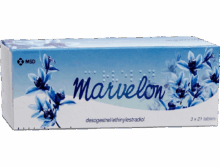




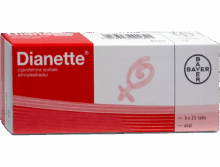

Our Awards & Certifications
Our team of experienced pharmacists and healthcare professionals are dedicated to providing the highest level of care and service to every customer, ensuring that they receive the best possible healthcare experience.

Our Clients Say:
An excellent organisation. Our malaria tablets were easy to order, came with clear instructions and fast delivery. A good price too. We will definitely use this company again for medication.
By Jenny T.
Quick and easy process, good communication. I received a call from them just to check my regular medication.
By Linda H.
A very prompt, professional and discreet service which assists with daily living. Loyalty is rewarded when re-ordering and orders arrive on time.
By Anthony J.
So easy to browse, choose and order what you want. Great prices and fast delivery. Excellent company to deal with.
By Graeme H.
To be fair, I've checked out other pharmacy sites and done the comparisons on price. I'm very happy to purchase from Chemist Click. Delivery great too, even the cheapest option.
By Stephen L.
Always use Chemist Click, their service is second to none, very quick delivery on my purchases and never let me down, highly recommended.
By Ian H.
I am very happy with the speedy delivery, the professionalism and the value for money.
By Roy K.
Chemist Click is extremely easy to use and also user friendly. You get what you need without any hassle or hesitation. Delivery is very quick and delivered as stated. This is a great service for anyone of all ages and abilities.
By Mark P.Latest articles...

From reduced alcohol cravings to tougher hangovers, GLP-based weight loss medications can change how your body responds to drinking. Here’s what you need to know before mixing alcohol with your treatment.
Read the article


