
Discreet and confidential delivery

300,000+ trusted patients

No hidden fees

10,000+ 5* reviews



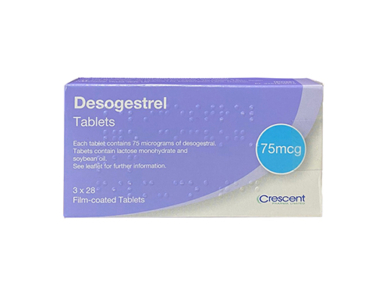


Desogestrel 75mcg Mini Pill (Progestogen-Only Pill) 84 tablets (3-month course)
from
£12.49
Desogestrel 75mcg Mini Pill (Progestogen-Only Pill) 84 tablets (3-month course)
Desogestrel Prices
| Name & Dosage | x3 x 28 Tablets (3 Month Course) |
|---|---|
| Desogestrel 75mcg (Generic) x 28 Tablets (3 Month Course) |
£12.49 |
| Desogestrel 75mcg (Crescent Brand) x 28 Tablets (3 Month Course) |
£15.99 |
About Desogestrel
Key points
- Desogestrel is a progestogen-only pill containing 75 micrograms of desogestrel. It contains no oestrogen.
- Take one tablet every day at about the same time, without a break between packs.
- A pill counts as missed if it is more than 12 hours late.
- Taken perfectly (every pill on time), it is more than 99% effective. In real life, when pills are sometimes late or missed, it is about 91% effective.
- Bleeding is unpredictable: periods may stop, become lighter, irregular, more frequent or last longer.
- It does not protect against sexually transmitted infections.
- It may be suitable if you cannot take oestrogen, for example if you get migraines with aura, have high blood pressure, smoke and are over 35, or are breastfeeding.
What is Desogestrel?
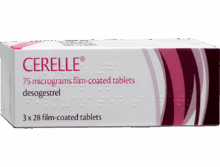
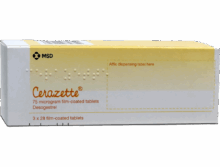
Desogestrel is a contraceptive pill that contains one hormone, desogestrel, a man-made progestogen similar to the hormone progesterone. It is a progestogen-only pill (POP), often called the mini pill, so it is not a combined pill. Each strip contains 28 tablets, and you take one tablet every day with no break between strips. Desogestrel is used only for contraception. Generic desogestrel 75 microgram tablets contain the same hormone at the same strength as branded versions (such as Cerazette and Cerelle).
How does desogestrel work?
Desogestrel works mainly by stopping ovulation, so no egg is released each month. In a study, ovulation happened in 1% of women taking desogestrel 75 micrograms (1 in 103) over two cycles. It also thickens the mucus at the neck of the womb, which makes it harder for sperm to reach an egg. Older types of progestogen-only pill work mainly by thickening mucus and have a 3-hour window for late pills, while desogestrel pills have a 12-hour window.
How effective is desogestrel?
How effective desogestrel is depends on how well it is taken. With perfect use, where every pill is taken on time, progestogen-only pills such as desogestrel are more than 99% effective, so fewer than 1 in 100 people get pregnant in a year. With typical use, where pills are sometimes taken late or missed, they are about 91% effective, so about 9 in 100 people get pregnant in a year. Taking your pill at the same time every day and following the missed pill advice keeps you closer to perfect use. Your weight does not affect how well it works. Some medicines, vomiting and severe diarrhoea can make it less effective.
Who is desogestrel suitable for?
Most people who want a daily pill can use desogestrel from their first period until age 55. Because it contains no oestrogen, it may be an option if you cannot take a combined pill, for example if you have migraines with aura, high blood pressure, a raised BMI, or you smoke and are over 35. It can also be used while breastfeeding. It is not suitable if you have breast cancer now, or some types of liver disease (see Warnings).
Desogestrel dosage instructions
How to take desogestrel
Take one desogestrel tablet every day at about the same time, so there are 24 hours between tablets, without a break between packs.
- Take your first tablet from the top row of the strip, on the day of the week printed beside it.
- Swallow it whole with some water. You can take it with or without food.
- Take one tablet a day, following the arrows, until the strip is finished.
- Start your next strip the day after you finish, without a break, even if you are bleeding.
- Choose a time you will remember, such as when you brush your teeth, and set a daily reminder.
How long does desogestrel take to work?
If you start desogestrel on day 1 to 5 of your period (day 1 is the first day of bleeding), you are protected straight away. If you start it on any other day, use condoms or avoid sex for the first 2 days. The leaflet is more cautious: it says you are only protected straight away if you start on day 1, and to use condoms for 7 days if you start on day 2 to 5.
- Switching from a combined pill, patch or ring: start desogestrel the day after your last active pill, or on the day you remove the patch or ring, with no break, and you are protected straight away.
- Switching from another progestogen-only pill, including Cerazette, Cerelle or another desogestrel pill: you can switch on any day, with no break, and you are protected straight away.
- Switching from an implant or hormonal coil: start on the day it is removed. From an injection: start on the day your next injection is due.
- After having a baby: you can start up to day 21 after the birth without extra contraception. If you start later, use condoms for the first 2 days (the leaflet says 7).
- After a miscarriage or abortion: you can start up to day 5 without extra contraception. Your doctor will advise you.
- After emergency contraception with ulipristal (ellaOne): wait 5 days before starting desogestrel, then use condoms for the first 2 days. After levonorgestrel emergency contraception, you can start straight away, using condoms for the first 2 days.
What should you do if you miss a desogestrel pill?
If you are less than 12 hours late, take the pill as soon as you remember and take the next one at the usual time. You are still protected.
If you are more than 12 hours late (more than 36 hours since your last pill):
- Take the most recent missed pill as soon as you remember, even if this means taking two in one day. Leave out any earlier missed pills.
- Take the next pill at the usual time and carry on as normal.
- Use condoms or avoid sex for the next 2 days (48 hours). The leaflet says 7 days, so you may prefer to follow this.
- If you have had sex since the late pill, or have sex in the next 2 days, you may need emergency contraception. Speak to a pharmacist, your GP or a sexual health clinic as soon as possible.
If you have missed a pill by 24 hours or more, you are more than 12 hours late, so follow the advice above.
What if you are sick or have diarrhoea?
If you are sick within 3 to 4 hours of taking desogestrel, or have severe diarrhoea, the tablet may not have been absorbed. Take another tablet as soon as possible. If you are not able to take it within 12 hours of your usual time, follow the missed pill advice above. Keep taking your pills. If the sickness or diarrhoea carries on, follow the missed pill advice above for each pill affected (condoms for 2 days after you are taking pills normally again; the leaflet says 7 days).
When should you see a doctor instead?
Speak to your GP or a sexual health clinic rather than starting desogestrel online if you have:
- Bleeding between periods, after sex or after the menopause that has not been checked by a doctor
- A new breast lump, or current or past breast cancer
- Liver disease, liver cancer or yellowing of the skin or eyes
- A blood clot now, or a stroke or heart attack while taking a progestogen-only pill
- Taken a medicine for epilepsy, HIV or tuberculosis, or St John’s wort, in the last 4 weeks
- Had a weight loss operation, such as a gastric bypass
- A possible pregnancy, or unprotected sex in the last few days. You may need emergency contraception first
Desogestrel Side Effects
What are the side effects of desogestrel?
The most common side effect of desogestrel is a change in your bleeding pattern. Other side effects include mood changes, headaches, acne, breast pain, nausea and weight gain. Not everybody gets them, and bleeding changes often become less of a problem after the first few months.
Stop taking desogestrel and call 999 or go to A&E if you have
- Swelling of the face, lips, tongue or throat, or difficulty breathing or swallowing (a serious allergic reaction)
- Sudden chest pain, or sudden breathlessness or coughing up blood (possible blood clot in the lung)
- Sudden severe pain low in your tummy, especially with a missed period, bleeding, shoulder tip pain or feeling faint (possible ectopic pregnancy)
See a doctor straight away if you have
- Pain or swelling in one leg, especially the calf (possible blood clot)
- Yellowing of the skin or the whites of the eyes, dark pee, or sudden severe tummy pain (possible liver problem)
- A lump in your breast
- Unusually heavy or long-lasting vaginal bleeding
- Low mood, depression or thoughts of harming yourself
- Signs that you may be pregnant
Common (up to 1 in 10 people)
Irregular bleeding (spotting, heavier bleeding or no bleeding), mood changes, depression, reduced sex drive, headache, feeling sick, acne, breast pain and weight gain. The product information says up to half of people taking desogestrel report irregular bleeding.
Uncommon (up to 1 in 100 people)
Vaginal infection (such as thrush), difficulty wearing contact lenses, being sick, hair loss, painful periods, ovarian cysts and tiredness.
Rare (up to 1 in 1,000 people)
Rash, hives, and painful blue-red lumps on the skin (erythema nodosum).
Frequency not known
Allergic reactions, including swelling of the face or throat. Discharge or leaking from the breasts may also occur.
Frequencies are taken from the desogestrel 75 microgram product information. Desogestrel is not expected to affect your ability to drive or use machinery. You can report side effects through the MHRA Yellow Card scheme (yellowcard.mhra.gov.uk).
What happens to your periods on desogestrel?
Your bleeding pattern will probably change, and it is hard to predict how. The product information says about 2 in 10 people taking desogestrel stop bleeding or bleed less often, 2 to 3 in 10 bleed more often, and bleeding may last longer. Irregular bleeding does not mean the pill is not working. Keep taking it every day. Bleeding often becomes less of a problem after a few months. If bleeding is heavy, lasts a long time, happens after sex, or starts after a long time with a settled pattern, speak to our prescriber or your GP.
Desogestrel warning
Who should not take desogestrel?
Desogestrel is not suitable for everyone. Our prescriber checks your answers against these points before deciding whether to prescribe it.
Do not take desogestrel if you
- Are allergic to desogestrel or any of the other ingredients
- Have a blood clot in a vein now, such as a deep vein thrombosis (DVT) or a clot in the lung
- Have, or have had, severe liver disease and your liver function is not yet back to normal
- Have, or may have, breast cancer or another cancer sensitive to sex hormones
- Have vaginal bleeding that has not been explained by a doctor
- Are pregnant, or think you may be
Tell our prescriber first if you
- Have had breast cancer in the past
- Have had a blood clot, a stroke or a heart attack, or have heart disease
- Have diabetes
- Have, or have had, liver cancer or another liver problem
- Have high blood pressure
- Have epilepsy or take a medicine for epilepsy
- Take a medicine for tuberculosis
- Have had depression or mood problems
- Have had an ectopic pregnancy
- Have had chloasma (brown patches on the face), as desogestrel can cause this. Avoid strong sun and sunbeds
- Have hereditary angioedema, as desogestrel can trigger or worsen swelling
- Have an intolerance to some sugars. Some tablets contains lactose.
- Have had weight loss surgery, or a condition that affects how your gut absorbs medicines
- Are having an operation or will be immobile for a long time
- Take any other medicines, including herbal remedies (see Interactions)
Does desogestrel increase the risk of breast cancer?
There may be a small increase in the risk of breast cancer in people using hormonal contraception, including progestogen-only pills, but the absolute risk is very small and falls after stopping. The evidence for progestogen-only pills is less certain than for combined pills. Check your breasts regularly and see your GP if you notice any change.
Does desogestrel cause blood clots?
Progestogen-only pills such as desogestrel contain no oestrogen, and UK guidance says the limited evidence suggests they do not increase the risk of blood clots. Stop taking desogestrel and get medical help straight away if you have signs of a clot, such as pain or swelling in one leg, chest pain or sudden breathlessness.
Desogestrel Interactions
Which medicines stop desogestrel working?
Medicines that speed up how the liver breaks down hormones (enzyme inducers) can make desogestrel less effective, during treatment and for up to 28 days after you stop them. Always tell our prescriber about all medicines you take, including ones bought from a pharmacy or shop and herbal remedies.
| Medicine | What it means |
| Some epilepsy medicines (carbamazepine, phenytoin, phenobarbital, primidone, oxcarbazepine, topiramate, eslicarbazepine) | Can make desogestrel less effective. Speak to your doctor about a method that is not affected, such as an injection or a coil |
| Rifampicin or rifabutin (for tuberculosis and some other infections) | Can make desogestrel less effective. Your prescriber may advise an injection or a coil. For a short course (under 2 months), use condoms during treatment and for 28 days afterwards |
| St John’s wort | Can make desogestrel less effective. Do not take it with desogestrel |
| Some HIV medicines (such as efavirenz and some protease inhibitors) and some hepatitis C medicines | Some can make desogestrel less effective and others can raise hormone levels. Your HIV or liver specialist will advise on contraception |
| Modafinil, bosentan, aprepitant | Can make desogestrel less effective. Tell our prescriber if you take any of these |
| Lamotrigine (for epilepsy) | May make desogestrel slightly less effective. Speak to your doctor about using condoms as well, or a method that is not affected |
| Griseofulvin (antifungal) | Use condoms as well during treatment and as advised afterwards, because griseofulvin may harm an unborn baby |
| Ulipristal acetate emergency contraception (ellaOne) | Desogestrel can stop it working. Wait 5 days after taking it before you start or restart desogestrel, and use condoms in the meantime and for 2 days after |
| Antifungals such as fluconazole, ketoconazole or itraconazole, and some antibiotics such as clarithromycin or erythromycin | May increase the amount of hormone in your blood. They do not make desogestrel less effective |
| Other antibiotics, such as amoxicillin or doxycycline | Do not make desogestrel less effective. If an illness causes vomiting or severe diarrhoea, follow the vomiting advice |
| Ciclosporin | Desogestrel may affect ciclosporin levels. Your specialist will monitor this |
Desogestrel pregnancy and breastfeeding
Can you take desogestrel while pregnant?
No. Desogestrel is a contraceptive and should not be taken if you are pregnant. If you think you might be pregnant, do a pregnancy test and stop taking it if the test is positive. Large studies of contraceptive pills taken by accident in early pregnancy have not shown an increased risk of birth defects, but speak to your GP or midwife.
Can you take desogestrel while breastfeeding?
Yes, desogestrel can be used while breastfeeding. It does not appear to affect the amount or quality of breast milk, although reduced milk supply has been reported rarely. A very small amount of the hormone passes into breast milk, and a study of breastfed babies followed up to two and a half years found no effect on their growth or development. You can start desogestrel up to 21 days after giving birth without extra contraception. Tell our prescriber if you are breastfeeding.
Read the leaflet before you start taking desogestrel. The leaflet in your pack is the version for the product you receive.
Written and clinically reviewed by our pharmacists


Desogestrel Reviews
Product rated 5/5


Excellent
By RosiCustomer reviews reflect individual experiences and are not medical advice.






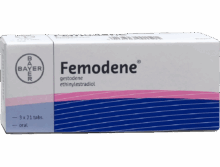
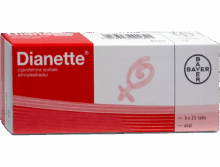
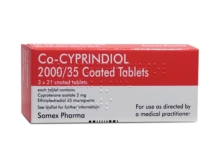
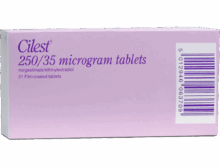
Other options include:




Our Awards & Certifications
Our team of experienced pharmacists and healthcare professionals are dedicated to providing the highest level of care and service to every customer, ensuring that they receive the best possible healthcare experience.

Our Clients Say:
An excellent organisation. Our malaria tablets were easy to order, came with clear instructions and fast delivery. A good price too. We will definitely use this company again for medication.
By Jenny T.
Quick and easy process, good communication. I received a call from them just to check my regular medication.
By Linda H.
A very prompt, professional and discreet service which assists with daily living. Loyalty is rewarded when re-ordering and orders arrive on time.
By Anthony J.
So easy to browse, choose and order what you want. Great prices and fast delivery. Excellent company to deal with.
By Graeme H.
To be fair, I've checked out other pharmacy sites and done the comparisons on price. I'm very happy to purchase from Chemist Click. Delivery great too, even the cheapest option.
By Stephen L.
Always use Chemist Click, their service is second to none, very quick delivery on my purchases and never let me down, highly recommended.
By Ian H.
I am very happy with the speedy delivery, the professionalism and the value for money.
By Roy K.
Chemist Click is extremely easy to use and also user friendly. You get what you need without any hassle or hesitation. Delivery is very quick and delivered as stated. This is a great service for anyone of all ages and abilities.
By Mark P.Latest articles...

From reduced alcohol cravings to tougher hangovers, GLP-based weight loss medications can change how your body responds to drinking. Here’s what you need to know before mixing alcohol with your treatment.
Read the article


