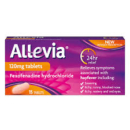
Is fexofenadine drowsy?

Fexofenadine is classed as a non-drowsy antihistamine, which means it is less likely to make you feel sleepy than older antihistamines such as chlorphenamine or promethazine. However, “non-drowsy” does not mean drowsiness is impossible. Some people may still feel sleepy, tired, dizzy or less alert after taking fexofenadine.

For most people, fexofenadine is a good option if they need allergy relief during the day and want to avoid sedation. If it makes you feel drowsy, avoid driving, cycling or using machinery until you feel fully awake and alert.

Fexofenadine Tablets

Helps manage common allergy symptoms.

Check Eligibility
Rated Excellent
Trustpilot Icon

Why is it non-drowsy?

Fexofenadine is called non-drowsy because it is less likely to enter the brain and cause sedation compared with older antihistamines. Older antihistamines, such as chlorphenamine and promethazine, are more likely to make people feel sleepy because they have stronger effects in the central nervous system.

Fexofenadine is a second-generation antihistamine. These medicines are designed to treat allergy symptoms while causing less drowsiness than older, sedating antihistamines.

This makes fexofenadine a common choice for people who need allergy relief during the day, including those with hay fever, hives or other allergic symptoms.

Can fexofenadine make you sleepy?

Yes, fexofenadine can make some people feel sleepy, although this is less common than with sedating antihistamines.

Possible symptoms include:

  • feeling sleepy
  • tiredness
  • dizziness
  • reduced alertness
  • feeling slower than usual
  • difficulty concentrating

If you feel sleepy after taking fexofenadine, do not drive, cycle or use tools or machinery until the feeling has passed.

How common is drowsiness with fexofenadine?

Drowsiness is a recognised side effect of fexofenadine. Patient information leaflets list drowsiness as a common side effect, meaning it may affect up to 1 in 10 people. Tiredness and sleepiness may also occur less commonly.

However, many people take fexofenadine without feeling sleepy. The risk varies from person to person and may depend on the dose, other medicines, alcohol, sleep quality and individual sensitivity to antihistamines.

Does fexofenadine 180mg cause more drowsiness than 120mg?

Some people may be more likely to notice side effects with higher doses, including tiredness, dizziness or drowsiness. You should take the dose recommended on the packet or by your doctor, pharmacist or prescriber.

Further reading: Fexofenadine dosage

Do not take extra fexofenadine to control symptoms unless advised by a healthcare professional.

Can you drive after taking fexofenadine?

Many people can drive after taking fexofenadine because it is classed as a non-drowsy antihistamine. However, you should not drive if it makes you feel sleepy, dizzy or less alert.

The safest approach is to see how fexofenadine affects you before driving, especially when taking it for the first time. If you feel drowsy, wait until you feel fully awake and alert before driving or operating machinery.

Can you drink alcohol with fexofenadine?

It is best to avoid or limit alcohol when you first take fexofenadine until you know how it affects you.

Fexofenadine is less likely to cause drowsiness than older antihistamines, but alcohol can still make side effects such as sleepiness, dizziness or reduced alertness worse in some people. This can make activities such as driving or using machinery unsafe.

If you feel sleepy or dizzy after taking fexofenadine, avoid alcohol.

Why do I feel drowsy after taking fexofenadine?

You may feel drowsy after taking fexofenadine because some people are more sensitive to antihistamines than others. Drowsiness may also be more noticeable if you:

  • have not slept well
  • drink alcohol
  • take other medicines that cause drowsiness
  • take more than the recommended dose
  • are dehydrated or unwell
  • have a medical condition that affects alertness
  • are taking fexofenadine with other allergy medicines

If drowsiness is severe, persistent or affecting your daily routine, speak to a pharmacist or doctor.

What should I do if fexofenadine makes me drowsy?

If fexofenadine makes you feel sleepy, you should:

  • avoid driving, cycling or operating machinery
  • avoid alcohol
  • check you are taking the correct dose
  • avoid taking other drowsy medicines unless advised
  • speak to a pharmacist or doctor if it continues

A healthcare professional may suggest trying a different non-drowsy antihistamine, adjusting the timing of your dose or reviewing whether another treatment would be more suitable.

Is fexofenadine less drowsy than cetirizine?

Fexofenadine and cetirizine are both classed as non-drowsy antihistamines. However, some people find cetirizine more likely to make them feel sleepy than fexofenadine.

This does not mean fexofenadine is always better. The best antihistamine depends on your symptoms, how well it works for you and whether you experience side effects. If one antihistamine makes you sleepy, another may suit you better.

Is fexofenadine less drowsy than loratadine?

Fexofenadine and loratadine are both non-drowsy antihistamines and are generally less likely to cause sleepiness than older antihistamines. Some people prefer fexofenadine, while others do well with loratadine.

If your main concern is drowsiness, it may be worth speaking to a pharmacist about which non-drowsy antihistamine is most suitable for you.

Should I take fexofenadine at night if it makes me sleepy?

If fexofenadine makes you slightly sleepy, taking it at night may help reduce the impact on your day. However, this depends on your symptoms and when you need allergy relief most.

For hay fever, many people take fexofenadine in the morning so it helps control daytime symptoms. For hives, timing may depend on when itching is worst.
If you are unsure, ask a pharmacist or doctor for advice.

When should I get medical advice?

Speak to a pharmacist or doctor if:

  • fexofenadine makes you very drowsy
  • drowsiness does not improve
  • you feel dizzy, faint or unusually weak
  • you are taking other medicines that can cause sleepiness
  • your allergy symptoms are not controlled
  • you feel you need more than the recommended dose

Seek urgent medical help if you have symptoms of a serious allergic reaction, such as swelling of the lips, tongue or throat, difficulty breathing, wheezing, chest tightness, fainting or collapse.


  1. NHS - About fexofenadine | [Accessed 30th June 2026] https://www.nhs.uk/medicines/fexofenadine/

  2. NHS - Common questions about fexofenadine | [Accessed 30th June 2026] https://www.nhs.uk/medicines/fexofenadine/common-questions-about-fexofenadine/

  3. NHS - Side effects of fexofenadine | [Accessed 30th June 2026] https://www.nhs.uk/medicines/fexofenadine/side-effects-of-fexofenadine/

  4. eMC - Fexofenadine 120mg Patient Information Leaflet | [Accessed 30th June 2026] https://www.medicines.org.uk/emc/product/14743/pil

  5. eMC - Fexofenadine 180mg Patient Information Leaflet | [Accessed 30th June 2026] https://www.medicines.org.uk/emc/product/3488/pil

Whilst all of our content is written and reviewed by healthcare professionals, it is not intended to be substituted for or used as medical advice. If you have any questions or concerns about your health, please speak to your doctor.

Share