Genital herpes cannot currently be cured, but outbreaks can be managed. For some people, outbreaks become less frequent and less severe over time, while others experience recurring symptoms that require treatment.

Knowing your personal triggers, recognising the early signs of an outbreak and starting antiviral genital herpes treatment at the appropriate time can make herpes easier to manage.

There are also practical steps you can take to reduce discomfort and lower the risk of passing the virus to a sexual partner.

What causes genital herpes outbreaks?

Genital herpes is caused by the herpes simplex virus (HSV), usually HSV-1 or HSV-2.

After the initial infection, the virus remains in the body. It can stay inactive for long periods before becoming active again and causing another outbreak.

Some people experience regular recurrences, while others have very few or no noticeable outbreaks after their first episode.

The NHS notes that repeat outbreaks are usually shorter and less severe than the first. Symptoms can also become less frequent over time.

Learn to recognise your early symptoms

Recognising an outbreak early can help you respond sooner.

Before visible blisters appear, some people experience warning symptoms known as a prodrome. These may include tingling, itching or burning around the area where sores normally develop.

Other symptoms can include pain when urinating and small blisters that burst and leave open sores.

Your symptoms may follow a similar pattern each time. Learning that pattern can make it easier to recognise when another outbreak is beginning.

This matters because antiviral treatment for recurrent herpes generally works best when started early.

Start antiviral treatment promptly

Antiviral medicines can help manage genital herpes by limiting the virus’s ability to reproduce.

Aciclovir is one commonly used treatment. Other antiviral medicines include valaciclovir and famciclovir.

For recurrent outbreaks, treatment may be prescribed for a short period and started when symptoms appear. NHS guidance advises starting antiviral tablets within five days of symptoms appearing during a first episode, while treatment for recurrent outbreaks may be supplied so it can be started quickly when symptoms return.

If outbreaks are particularly frequent, a clinician may recommend longer-term antiviral treatment instead.

If you want practical advice on symptom care, understanding how to heal herpes sores faster can help you manage an outbreak while the affected skin heals.

Keep the affected area clean

Herpes sores can be uncomfortable, so gentle care is important.

The NHS recommends keeping the area clean using plain or salt water to help prevent blisters becoming infected.

Avoid aggressively scrubbing the affected skin or repeatedly touching sores. If you do touch the area, wash your hands afterwards.

Loose clothing and underwear may also feel more comfortable when sores are painful because they reduce unnecessary rubbing against irritated skin.

The objective is to allow the area to heal without creating additional irritation.

Manage pain and discomfort

There are several simple measures that can make an outbreak more manageable.

The NHS suggests applying an ice pack wrapped in a flannel to the affected area to help relieve pain. Never apply ice directly to the skin.

Petroleum jelly or an appropriate pain-relieving cream may help reduce discomfort when urinating. Pouring water over the genital area while urinating can also make stinging less severe for some people.

If symptoms are unusually painful, persistent or different from your normal outbreaks, seek medical advice rather than assuming they will resolve in the usual way.

Identify possible herpes triggers

There is no universal list of triggers that causes an outbreak in everybody.

However, some people notice that recurrences appear during particular circumstances. Friction around the genital area, illness or other periods of physical strain may sometimes be associated with outbreaks.

Keeping a simple record can help if your outbreaks happen frequently.

Note when symptoms begin and whether anything unusual happened beforehand. Over time, you may identify patterns that allow you to take practical steps to reduce avoidable triggers.

Try not to become overly restrictive, though. An outbreak occurring after a particular food, stressful day or activity once does not prove that it caused the recurrence.

Reduce friction during sex

Friction can irritate the genital area and may be associated with outbreaks for some people.

Using sufficient lubricant during sex can reduce friction. The NHS specifically suggests using lubricant to help avoid triggering symptoms if genital friction appears to be associated with recurrences.

However, you should avoid vaginal, anal or oral sex when sores or blisters are present.

Herpes is particularly easy to pass on from the first tingling or itching associated with an outbreak until the sores have fully healed.

Waiting until symptoms have cleared helps reduce the risk of transmission.

Understand that condoms reduce, but do not eliminate, risk

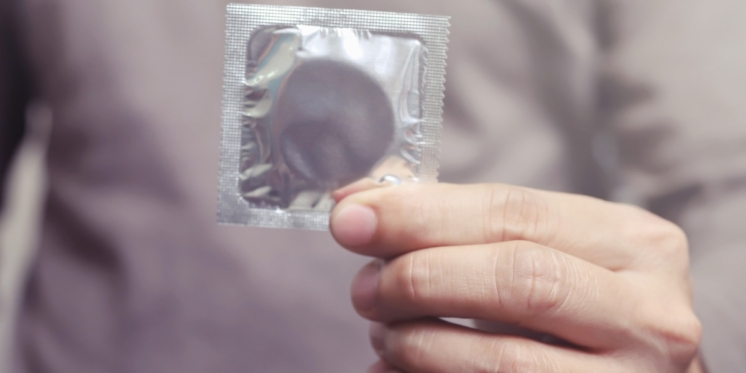
Condoms are an important way to reduce the likelihood of transmitting genital herpes, but they cannot provide complete protection.

This is because herpes can be present on skin that a condom does not cover.

The virus can also sometimes be transmitted when there are no visible sores or other obvious symptoms.

Using condoms consistently and avoiding sexual contact during outbreaks can reduce risk, but neither measure guarantees that transmission will not occur.

Talking openly with sexual partners allows you to make informed decisions together.

Consider suppressive treatment for frequent outbreaks

Some people only need antiviral treatment when an outbreak occurs.

Others experience recurrences frequently enough that daily suppressive treatment may be considered.

Suppressive therapy involves taking antiviral medication regularly to reduce the frequency of outbreaks. It may be discussed when recurrent herpes is having a significant effect on your wellbeing or sex life.

The right approach depends on how often outbreaks occur and your individual circumstances.

If you are considering prescription antiviral treatment for genital herpes, an appropriate assessment can determine whether episodic aciclovir treatment is suitable for you.

Do not change from occasional treatment to continuous antiviral use without advice from a healthcare professional.

Look after your general health

There is no particular diet or lifestyle routine guaranteed to prevent herpes outbreaks.

However, looking after your general health can make recurrent symptoms easier to manage.

Getting adequate sleep, eating a balanced diet and looking after your physical and mental wellbeing are sensible measures regardless of whether they directly influence your outbreaks.

Be cautious about supplements or restrictive diets promoted online as herpes “cures”. HSV remains in the body, and products claiming to permanently eliminate the virus should be treated sceptically.

Focus instead on recognised antiviral treatment and practical symptom management.

Know when to seek medical advice

Not every genital symptom is necessarily caused by herpes.

If you have never previously been diagnosed and develop blisters, sores or other symptoms, contact a sexual health clinic or another appropriate healthcare service for assessment.

You should also seek advice if your symptoms are severe, sores are not healing as expected or outbreaks are becoming difficult to manage.

Pregnancy requires particular attention because genital herpes can have implications for childbirth and the baby. If you are pregnant and think you may have genital herpes, seek medical advice.

People with weakened immune systems may also need individual medical guidance.

Managing herpes is often about having a plan

Recurrent herpes can be easier to deal with once you know what your outbreaks normally look like and what to do when symptoms begin.

Recognise your early warning signs, keep any prescribed treatment available as directed and avoid sexual contact while symptoms are present.

If outbreaks remain frequent or particularly disruptive, speak to a healthcare professional about whether a different treatment approach is appropriate.

The goal is not to eliminate every possible trigger from your life. It is to manage outbreaks effectively while reducing discomfort and transmission risk.

Final thoughts

Genital herpes remains in the body, but that does not mean every infection causes frequent or severe outbreaks.

For recurrent symptoms, recognising the early signs and starting prescribed antiviral treatment promptly can help. Keeping sores clean, reducing irritation and using simple pain-relief measures can also make outbreaks easier to manage.

Avoid sexual contact while symptoms are present and remember that condoms reduce, but do not completely remove, the possibility of transmission.

If outbreaks are frequent, severe or difficult to manage, speak to an appropriate healthcare professional about your treatment options.

There is no guaranteed way to prevent every recurrence because HSV remains in the body after infection. However, recognising personal triggers and using antiviral treatment appropriately can help some people manage recurrent outbreaks.

Triggers vary between individuals. Some people notice outbreaks associated with factors such as genital friction or periods of illness. Keeping track of recurrences may help you identify patterns specific to you.

Starting prescribed antiviral treatment promptly can help manage an outbreak. Keeping the area clean and avoiding unnecessary irritation can also support healing.

Antiviral treatment for recurrent herpes is generally most useful when started early. Follow the dosing instructions provided by your prescriber and seek advice if you are unsure when to begin treatment.

You should avoid vaginal, anal and oral sex when you have sores or other outbreak symptoms. Herpes is particularly easy to transmit from the initial tingling or itching until the sores have fully healed.

Condoms can reduce the risk of transmission but cannot eliminate it because herpes may affect skin that a condom does not cover.

Yes. HSV can sometimes be passed to another person even when there are no visible sores or other obvious symptoms.

Speak to a healthcare professional if outbreaks are frequent or significantly affecting your life. They can review your symptoms and discuss whether episodic or longer-term suppressive antiviral treatment may be appropriate.

Whilst all of our content is written and reviewed by healthcare professionals, it is not intended to be substituted for or used as medical advice. If you have any questions or concerns about your health, please speak to your doctor.

Share