
Discreet and confidential delivery

300,000+ trusted patients

No hidden fees

10,000+ 5* reviews



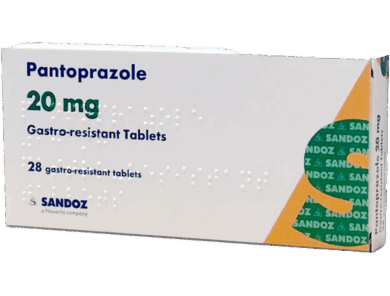


Pantoprazole Gastro-resistant Tablets 20mg
from
£11.49
Pantoprazole Gastro-resistant Tablets 20mg
Buy Pantoprazole
How to get pantoprazole online
- Complete a short online consultation about your symptoms, health and any other medicines.
- A UK prescriber reviews your answers and decides whether pantoprazole is suitable, and for how long.
- If approved, our pharmacy dispatches your treatment in discreet packaging.
Pantoprazole Prices
| Name & Dosage | x14 Tablets | x28 Tablets |
|---|---|---|
| Pantoprazole 20mg Tablets | £11.49 | £16.99 |
Summary for Pantoprazole
| Medication Class | Proton pump inhibitor (PPI) |
|---|---|
| Mechanism of action | Blocks the proton pumps in the stomach lining, so the stomach makes less acid |
| Active ingredient | Pantoprazole (as pantoprazole sodium sesquihydrate) |
| Strength | 20mg gastro-resistant tablets |
| Legal category | Prescription-only medicine (POM) |
| Effective within | Symptoms usually start to improve within 2 to 3 days; the full effect can take up to 4 weeks |
| Maxiumum dose | 20mg tablets: one a day. Up to 40mg a day may be prescribed if an inflamed food pipe comes back. No more than 20mg a day for people with severe liver problems |
| Use with alcohol | Alcohol does not stop pantoprazole working, but it is best kept to a minimum as it can make reflux worse |
About Pantoprazole
Key Points
- Pantoprazole reduces the amount of acid the stomach makes.
- It treats heartburn, acid reflux and GORD, and helps protect the stomach from anti-inflammatory painkillers.
- Take one tablet a day, 1 hour before a meal, swallowed whole.
- Symptoms usually start to improve within 2 to 3 days.
What is pantoprazole used for?
Pantoprazole is used to treat heartburn, acid reflux and gastro-oesophageal reflux disease (GORD), and to treat and prevent stomach and duodenal ulcers. Pantoprazole 20mg tablets are licensed to:
- Relieve the symptoms of GORD, such as heartburn and acid coming back up into the throat
- Stop an inflamed food pipe (reflux oesophagitis) coming back once it has healed
- Prevent stomach ulcers in adults who need to keep taking anti-inflammatory painkillers such as ibuprofen or naproxen and are at higher risk of ulcers
Higher-strength 40mg tablets are prescribed for an inflamed food pipe, stomach and duodenal ulcers, Helicobacter pylori infection (with antibiotics) and a rare condition called Zollinger-Ellison syndrome.
What is pantoprazole and how does it work?
Pantoprazole is a proton pump inhibitor (PPI). Proton pumps are tiny pumps in the stomach lining that make acid, and pantoprazole blocks them, so the stomach makes less acid. With less acid, there is less to flow back up into the food pipe (oesophagus), which eases heartburn and gives any damage time to heal. The tablets are gastro-resistant: a coating protects the medicine from stomach acid so it can be absorbed further down the gut.
How long does pantoprazole take to work?
Pantoprazole usually starts to improve symptoms within 2 to 3 days, but it can take up to 4 weeks to work fully, so you may still have some symptoms at first. If you are taking it for GORD and your symptoms have not improved after 4 weeks, speak to our prescriber or your GP, as you may need tests or a different treatment.
Can you buy pantoprazole over the counter in the UK?
Yes, but only for short-term heartburn in adults. Pantoprazole 20mg tablets can be bought from pharmacies for adults aged 18 and over, for up to 2 weeks at first. If your symptoms improve, you can take them for another 2 weeks, but do not take them for more than 4 weeks without speaking to a doctor. If your symptoms have not improved after 2 weeks, see a doctor before taking any more. Longer courses, treatment for under-18s and treatment for conditions such as an inflamed food pipe or stomach ulcers need a prescription.
Is pantoprazole the same as omeprazole?
No, they are different medicines, but they are closely related. Pantoprazole and omeprazole are both proton pump inhibitors that work in the same way, generally work as well as each other and have similar side effects. The doses are different, and pantoprazole is taken 1 hour before a meal, while omeprazole can be taken with or without food. If one does not suit you, your doctor may suggest another PPI.
Is pantoprazole better than omeprazole or lansoprazole?
Pantoprazole is not better or worse than other PPIs for most people. Pantoprazole, omeprazole, lansoprazole, esomeprazole and rabeprazole work in the same way, generally work about as well and have similar side effects. The right choice depends on your condition, other medicines you take and whether you are pregnant. If pantoprazole is not working or causes side effects, your doctor may suggest a different PPI.
| Medicine | Usual dose for reflux symptoms | Usual dose to heal an inflamed food pipe |
| Pantoprazole | 20mg once a day | 40mg once a day |
| Omeprazole | 20mg once a day | 20mg once a day (40mg if severe) |
| Lansoprazole | 15mg to 30mg once a day | 30mg once a day |
| Esomeprazole | 20mg once a day | 40mg once a day |
What are the alternatives to pantoprazole?
Other treatments for acid reflux include another PPI, such as omeprazole, lansoprazole or esomeprazole; a different type of acid-reducing medicine called an H2 blocker, such as famotidine; and antacids or alginates such as Gaviscon for quick relief of occasional symptoms. Your prescriber or GP can advise which is right for you.
Can you take pantoprazole long term?
Some people need pantoprazole for months or years, but if you take it for more than a year your doctor should review it regularly, and it is best taken at the lowest dose that works for the shortest time needed. Taking it for more than 3 months can lower magnesium levels, and taking it for more than a year may raise the risk of broken bones, some gut infections and low vitamin B12. There is some evidence of a very small increased risk of stomach cancer in people taking acid-reducing medicines, possibly more likely after more than 3 years, although this has not been confirmed. This is one reason to take it for the shortest time needed. Pantoprazole can also hide the symptoms of stomach cancer, so tell your doctor about any new or changing symptoms.
What else can help with acid reflux?
- Eat smaller, more frequent meals, and avoid eating in the 3 hours before bed.
- Cut down on foods and drinks that trigger your symptoms, such as coffee, tomatoes, chocolate, alcohol, and rich, spicy or fatty food.
- Avoid clothes that are tight around your waist.
- Raise your head and shoulders when you sleep, to stop acid coming up.
- Sit up straight when you eat.
- Stop smoking, and lose weight if you are overweight.
Pantoprazole Dosage Instructions
Take one pantoprazole 20mg tablet once a day, usually first thing in the morning. Your prescriber will tell you how long to take it for.
- Take the tablet 1 hour before a meal, usually before breakfast.
- Swallow it whole with some water. Do not chew, crush or break it, because the coating protects the medicine from stomach acid.
- Usual doses: 20mg once a day for heartburn, reflux and GORD, and to protect the stomach from anti-inflammatory painkillers. If an inflamed food pipe comes back, your doctor may increase this to 40mg a day until it heals.
- Once your symptoms are under control, your prescriber may suggest taking one tablet only on the days you need it. This is not suitable for everyone, so only do this if advised.
- You can take an antacid or alginate such as Gaviscon for quick relief while pantoprazole starts to work.
- If you miss a dose, take it as soon as you remember, unless your next dose is due in less than 12 hours (or less than 4 hours if you take pantoprazole twice a day). In that case, skip the missed dose. Never take two doses to make up for a missed one.
If you have severe liver problems, you should not take more than 20mg a day. Our prescriber will take this into account.
If you have taken more than the recommended dose and feel unwell, call 111 or get help from 111 online. If you need to go to A&E, do not drive yourself: take the pantoprazole packet or leaflet with you. If you have taken pantoprazole for a long time, speak to your doctor before stopping, as stopping suddenly can make your stomach produce more acid for a while.
When should you see a doctor instead?
Heartburn medicine can hide the signs of a more serious problem. Do not start pantoprazole online if you have any of the symptoms below: see a GP promptly instead. If you are vomiting blood (it may look like coffee grounds) or have black, tarry poo, call 999 or go to A&E straight away. Do not drive yourself.
- Difficulty or pain when swallowing
- Repeated vomiting, or vomiting blood
- Black, tarry or bloody poo
- Weight loss you cannot explain
- Feeling weak or tired, or skin that looks paler than usual (signs of anaemia)
- Chest pain or stomach pain
- Severe diarrhoea, or diarrhoea that does not go away
- New or changed indigestion symptoms and you are over 55
- A stomach ulcer or stomach surgery in the past
- Heartburn that has needed treatment continuously for 4 weeks or more and has not been checked by a doctor
Pantoprazole Side Effects
Like all medicines, pantoprazole can cause side effects, although not everybody gets them. About 5 in 100 people who take pantoprazole can expect to have a side effect, and side effects are usually mild and go away when you stop taking it.
Common (up to 1 in 10 people)
Small harmless growths in the stomach lining (fundic gland polyps).
Uncommon (up to 1 in 100 people)
Headache, dizziness, diarrhoea, feeling or being sick, bloating and wind, constipation, dry mouth, stomach pain, trouble sleeping, rash or itchy skin, feeling weak, tired or generally unwell, changes in liver blood tests, and broken hip, wrist or spine (more likely with high doses or use for more than a year).
Rare (up to 1 in 1,000 people)
Changes in taste, blurred vision, joint or muscle pain, weight changes, high temperature, swollen hands, ankles or feet, hives, depression, and breast swelling in men.
Stop taking pantoprazole and get urgent medical help if you have
- Signs of a serious allergic reaction, such as swelling of the lips, mouth, tongue or throat, or difficulty breathing or swallowing (call 999)
- A severe skin reaction, such as blistering, peeling or sores on the skin, lips, eyes or genitals, sometimes with a fever or flu-like symptoms
Also call a doctor or 111 straight away if you have:
- Joint pain with a red rash, especially on skin exposed to the sun
- Worsening stomach pain, yellowing of the skin or eyes, or dark pee, which can be signs of liver problems
- Pain when peeing or peeing less, lower back pain, swollen ankles, or a rash with a high temperature, which can be signs of kidney problems
- Severe or long-lasting diarrhoea
Long-term use
Taking pantoprazole for more than 3 months can lower magnesium levels, which can cause tiredness, confusion, dizziness, muscle twitches, shakiness or an irregular heartbeat: contact a doctor or 111 if you notice these. Taking it for more than a year may raise the risk of broken bones, gut infections and low vitamin B12, which can cause tiredness, a sore red tongue, mouth ulcers or pins and needles.
Pantoprazole can occasionally cause dizziness or blurred vision. Do not drive, cycle or use machinery if this happens. You can report side effects through the MHRA Yellow Card scheme (yellowcard.mhra.gov.uk).
Pantoprazole Warnings
Who should not take pantoprazole?
Pantoprazole is not suitable for everyone. Our prescriber checks your answers against these points before deciding whether to prescribe it.
Do not take pantoprazole if you
- Are allergic to pantoprazole, a similar medicine (another PPI) or any of the tablet’s ingredients
- Take atazanavir or nelfinavir for HIV, unless your HIV specialist has advised it
Tell our prescriber first if you
- Have liver problems
- Have osteoporosis or a higher risk of broken bones
- Have been told your vitamin B12 or magnesium is low, or take digoxin or water tablets (diuretics)
- Take anti-inflammatory painkillers such as ibuprofen or naproxen regularly
- Have had a stomach ulcer or stomach surgery
- Have ever had a skin reaction after taking a PPI
- Have an intolerance to some sugars, such as lactose or fructose
- Are due to have an endoscopy, a urea breath test or a chromogranin A blood test (pantoprazole should be stopped at least 5 days before a chromogranin A test)
- Are pregnant, trying for a baby or breastfeeding
- Take any other medicines, especially those listed under Interactions
Pantoprazole Interactions
Which medicines interact with pantoprazole?
Pantoprazole can affect how some other medicines work, and some medicines affect pantoprazole. Always list everything you take in your consultation, including herbal remedies.
| Medicine | What it means |
| Atazanavir, nelfinavir and other HIV medicines that need stomach acid | Not recommended with pantoprazole, as they may not be absorbed properly |
| Antifungal medicines such as ketoconazole, itraconazole, posaconazole or voriconazole, and erlotinib | Less stomach acid means these may be absorbed less well |
| Warfarin, phenprocoumon | Your INR may need checking more often when you start or stop pantoprazole |
| High-dose methotrexate | Pantoprazole can raise methotrexate levels, so it may need to be stopped for a while |
| Fluvoxamine | Can raise pantoprazole levels; a lower dose may be needed with long-term high doses |
| Rifampicin, St John’s wort | Can lower pantoprazole levels and make it less effective. Do not take St John’s wort with pantoprazole |
| Antacids, such as Gaviscon | Can be used for quick relief while pantoprazole starts to work |
Can I take Gaviscon with pantoprazole?
Yes. An antacid or alginate such as Gaviscon can be taken with pantoprazole for quick relief while it starts to work. If you still need an antacid regularly after 4 weeks of pantoprazole, speak to our prescriber.
Can I take painkillers with pantoprazole?
Yes. Paracetamol and ibuprofen can be taken with pantoprazole. Take ibuprofen with or just after food. Doctors often prescribe pantoprazole to protect the stomach in people who need to take anti-inflammatory painkillers such as ibuprofen or naproxen regularly, but this does not make these painkillers suitable for everyone, so check with our prescriber or your GP if you take them often.
Pantoprazole Pregnancy and breastfeeding
Can you take pantoprazole while pregnant?
Pantoprazole is not usually recommended in pregnancy, because there is very little information about its use in pregnancy. Your doctor may suggest omeprazole instead, as there is more safety information for it. Speak to our prescriber or your GP if you are pregnant or trying for a baby. Pantoprazole bought from a pharmacy without a prescription should not be used in pregnancy.
Can you take pantoprazole while breastfeeding?
NHS guidance says pantoprazole can be taken while breastfeeding, as only tiny amounts pass into breast milk and babies absorb very little. Tell our prescriber if you are breastfeeding so they can decide whether it is right for you. Contact a doctor or 111 if your baby is not feeding well, has diarrhoea, constipation or vomiting, or seems unusually irritable, and keep breastfeeding as usual until you have got advice. Pantoprazole bought from a pharmacy without a prescription should not be used while breastfeeding.
Read the leaflet before you start treatment. The leaflet in your pack is the version for the product you receive.
Frequently Asked Questions
Take it first thing in the morning, 1 hour before breakfast, at the same time each day. If you have been prescribed two doses a day, take one in the morning and one 1 hour before your evening meal.
If you take one dose a day, take it in the morning, 1 hour before breakfast. If your doctor has prescribed a second daily dose, take it 1 hour before your evening meal.
Only if a doctor has prescribed it. Pantoprazole 40mg twice a day is used for specific conditions, such as for 1 to 2 weeks with antibiotics to clear a Helicobacter pylori infection, or under specialist care for Zollinger-Ellison syndrome. For heartburn and reflux, the usual dose is 20mg or 40mg once a day, although a doctor may sometimes double the dose for an inflamed food pipe that has not healed. Never take extra doses on your own.
It depends on why you take it. Pantoprazole bought from a pharmacy should not be taken for more than 4 weeks without speaking to a doctor. On prescription, it may be taken for weeks, months or sometimes years. If you take it for more than a year, your doctor should review it regularly.
It can, but it is uncommon: constipation affects up to 1 in 100 people. Speak to our pharmacist or your GP if it bothers you or does not go away.
Weight changes are a rare side effect, affecting up to 1 in 1,000 people. Swollen ankles or feet from fluid build-up is also rare. Speak to our prescriber or your GP if you notice sudden weight gain or swelling.
Yes, alcohol does not stop pantoprazole working. It is best kept to a minimum, though, because alcohol increases stomach acid and can make reflux symptoms worse.
Dementia is not listed as a side effect in the UK product information or in NHS guidance for pantoprazole. If you are worried about taking pantoprazole long term, speak to your doctor, who can check whether you still need it and at what dose. Do not stop a prescribed medicine without advice.
There is no evidence that pantoprazole affects fertility in men or women. If you are trying for a baby, speak to our prescriber or your GP, as they may want to review your treatment.
No, pantoprazole does not affect combined or progestogen-only pills. It may make the emergency contraceptive ellaOne less effective, so tell the pharmacist if you need emergency contraception. Severe diarrhoea, or diarrhoea lasting more than 24 hours, can stop the pill working, so check your pill leaflet if this happens.
Take the lowest dose that controls your symptoms, for the shortest time you need it, and take it as directed: swallowed whole, 1 hour before a meal. Side effects are usually mild and go away when you stop taking it. If a side effect bothers you or does not go away, speak to our pharmacist or your GP.
Usually, yes. If you have taken it for a long time, speak to your doctor first: stopping suddenly can make your stomach produce more acid for a while, so your symptoms come back. Lowering the dose gradually can help prevent this.
Give it up to 4 weeks for the full effect. If your symptoms have not improved by then, or they come back as soon as you stop, speak to our prescriber or your GP: you may need tests such as a gastroscopy, or a different treatment.
Written and clinically reviewed by our pharmacists








Other options include:
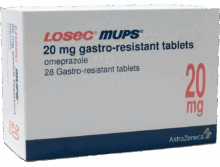
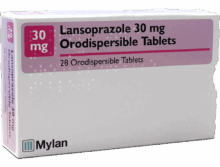
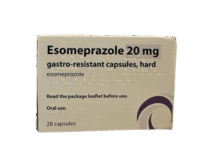

Our Awards & Certifications
Our team of experienced pharmacists and healthcare professionals are dedicated to providing the highest level of care and service to every customer, ensuring that they receive the best possible healthcare experience.

Our Clients Say:


An excellent organisation. Our malaria tablets were easy to order, came with clear instructions and fast delivery. A good price too. We will definitely use this company again for medication.
By Jenny T.
Quick and easy process, good communication. I received a call from them just to check my regular medication.
By Linda H.
A very prompt, professional and discreet service which assists with daily living. Loyalty is rewarded when re-ordering and orders arrive on time.
By Anthony J.
So easy to browse, choose and order what you want. Great prices and fast delivery. Excellent company to deal with.
By Graeme H.
To be fair, I've checked out other pharmacy sites and done the comparisons on price. I'm very happy to purchase from Chemist Click. Delivery great too, even the cheapest option.
By Stephen L.
Always use Chemist Click, their service is second to none, very quick delivery on my purchases and never let me down, highly recommended.
By Ian H.
I am very happy with the speedy delivery, the professionalism and the value for money.
By Roy K.
Chemist Click is extremely easy to use and also user friendly. You get what you need without any hassle or hesitation. Delivery is very quick and delivered as stated. This is a great service for anyone of all ages and abilities.
By Mark P.Latest articles...

From reduced alcohol cravings to tougher hangovers, GLP-based weight loss medications can change how your body responds to drinking. Here’s what you need to know before mixing alcohol with your treatment.
Read the article


